Exercitation ullamco laboris nis aliquip sed conseqrure dolorn repreh deris ptate velit ecepteur duis.

Namrata Rubber Product Pvt. Ltd is a precision engineering company specializing in high-quality rubber bushes for South Africa's key industries from india. Our range of products is designed for mining equipment in Johannesburg, marine applications in Cape Town, oil rigs in Durban, and automobile manufacturing in Pretoria. Our team of experts distinguishes itself from other companies in the field by using in-house tooling that enables the rapid development of custom prototypes in just two weeks, compared to the standard six-week period.
Our range of vibration-controlling rubber bushes is designed to withstand exposure to oil and chemicals and to expand by less than 10%, in accordance with ASTM D471 standards. Additionally, our product is designed to withstand heavy loads and is sufficiently durable owing to a tensile strength of at least 15 MPa in accordance with ASTM D412 standards.
Our company is ISO 9001:2015 certified and can produce 500,000 pieces per month. Our product range is suitable for automobile original equipment manufacturers and for export to African nations owing to a durometer range of 40 to 90 Shore A.
Request a Bulk Price Quote for Custom Bush Designs and Export Inquiries.
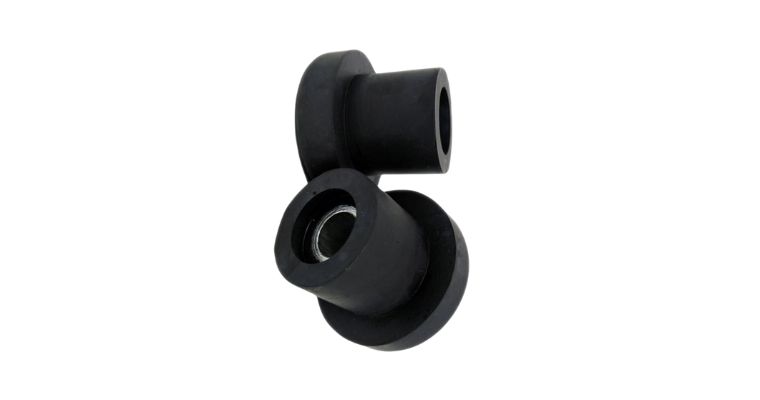
Industrial rubber bushes absorb vibrations by flexing under load, functioning as both shock absorbers and mechanical insulators, normally reducing oscillations by 70-90% according to ISO 16750-3 automotive standards. Cylindrical elastomers with metal sleeves and walls measuring 2-5mm prevent metal-to-metal contact, thereby extending the life of components in dynamic systems.
They supply components for automotive suspension, mining conveyor systems, construction equipment, oil and gas pumps, power plants, marine vessels, and electrical motors. In vehicles, they reduce NVH across key frequencies; mining variants handle dynamic loads up to 500kg axial capacity. Coastal EPDM bushes exhibit resistance to UV exposure exceeding 1,000 hours under ASTM G154 and to ozone at 50 pphm for 72 hours as per ASTM D1149, making them suitable for marine environments.
Namrata Rubber Product Pvt. Ltd exports to Namibia and Botswana via FOB Durban, accompanied by certificates of origin, packing lists, and fumigation certificates, with lead times ranging from 2-4 weeks for 500,000 units per month. Our injection molding process keeps tolerances at ±0.05mm and achieves a Shore A 50-90 consistency, thereby reducing premature wear.
We deliver precision-engineered reliability that meets the demands of the South African industry, being both ISO 9001:2015 certified and RoHS compliant.
Industrial rubber bushes are essential to the operation of machinery in South Africa, especially when controlled movements are required. These industrial rubber bushes serve as vibration isolation elements, which means they separate the moving parts and, at the same time, keep the alignment intact. Besides that, they also serve as shock absorbers that help in the handling of shocks and impacts in machinery.
Moreover, rubber bushes serve as noise reduction gadgets that help in controlling the unnecessary sounds produced by running the machine. Their contribution towards mechanical insulation helps various machine parts to operate smoothly without direct contact between metal to another part. Thus, the product is a great means of improving both the performance and the lifespan of the machine.
These parts are used in different major industries in South Africa. They find their way into the automotive sector as components of suspension systems and engine mounts of vehicles. In the mining sector, they are used in mining machinery, which is often subjected to harsh environments. They also serve as parts of construction machinery and equipment, which are involved in infrastructure projects, thus geared towards environments of constant load and motion.
Besides that, they are incorporated into the processes of oil and gas, power generation, marine, and electrical systems in conditions of constant performance. Rubber bushes in South Africa are capable of working in environments exposed to moisture, temperature changes, and harsh weather conditions since South Africa has different climate types, including coastal areas and high-humidity regions. The suppliers' backing in meeting export regulations is a plus in reaching out to African countries in the region, thus making it easier for distributors and buyers of these components to have access to these trustworthy components.
Industrial rubber bushes are dependable in various sectors due to their steady supply and ability to offer custom solutions.
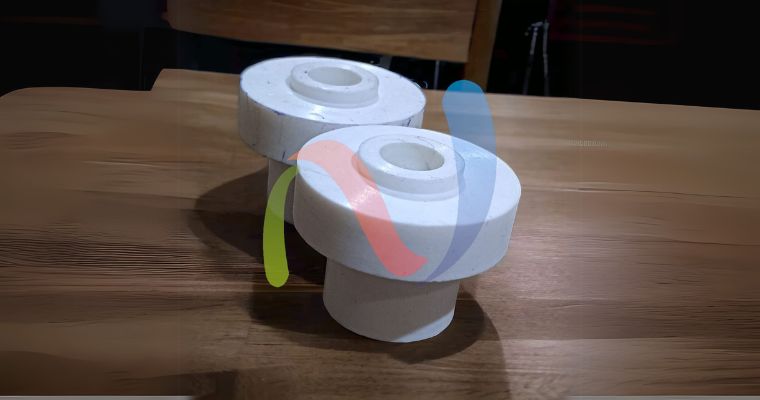
Descriptions: Telone rubber bushes are specially made components for Telone fluid systems which grant a combination of flexibility, support, and insulation features. The bushes serve as an aid to regulate motion and mechanical stress, at the same time, offering a dependable base for even the most demanding situations.
Applications:
Key Benefits:
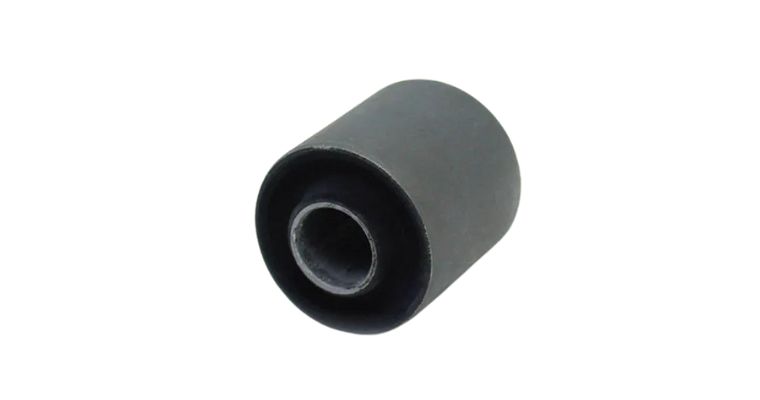
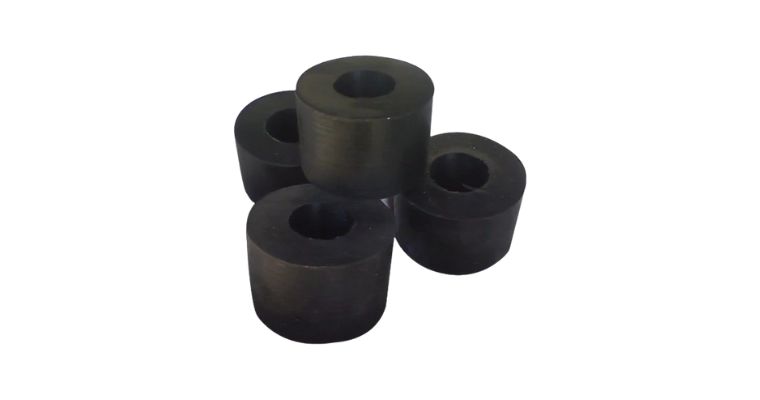
Descriptions: Nitrile rubber bushes are durable parts that are capable of resisting oil and fuel. They exhibit excellent resistance to swelling and wear, making them very handy in the components of motor vehicles, machinery, and equipment that are in contact with petroleum-based fluids.
Key Benefits
Descriptions: EPDM rubber bushes are adaptable components that can handle a lot of changes in weather, moisture, and UV light exposure without any damage. These bushes are great at providing both insulation and motion for mechanical parts, which suits them perfectly to activities involving outdoor, automotive, and construction sectors.
Applications
Key Benefits
Descriptions: Natural rubber bushes are elastic rubber parts that function as shock absorbers and allow the controlled movement of parts of a machine. The rubber bushes are also widely used in load control and stress reduction in machines.
Applications:
Key Benefits:
Descriptions: Natural rubber bushes are one type of component made of elastic rubber that can control the movements and absorb the shocks between different parts of a machine. They are capable of limiting the straining of machines during their operations.
Applications
Key Benefits
Descriptions: Customised rubber bushes are unique elements designed to match particular equipment and/or load requirements. They make sure that the movement is controlled, cushioning is provided, and stability is maintained. Thus, they ensure exact fit and performance in various industrial, automotive, and heavy machinery sectors.
Applications:
Key Benefits:
Namrata Rubber Product Pvt. Ltd is functioning as a manufacturer, supplier, distributor, exporter, and dealer in all the major metropolitan regions of South Africa, providing local rubber bush products with a 48-hour delivery time. Our products are ISO 9001:2015 compliant, as they pass the ASTM D412 tensile tests, achieving a minimum of 15 MPa.
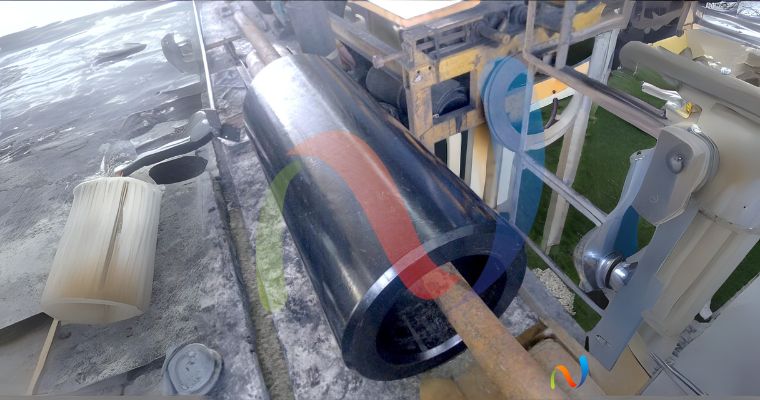
Manufacturers in Johannesburg supply nitrile rubber bushes, meeting oil swell standards, to gold and platinum mines, where they are used in crusher mounts and conveyors handling loads of 1,000kg. Industrial suppliers in Johannesburg provide custom cylindrical designs with inside diameters ranging from 50-150mm, offering a tolerance through 50-ton injection moulding.
Local facilities maintain a 1,000-unit inventory for heavy truck suspensions. Distributors back quarry projects, while exporters rely on FOB OR Tambo for shipments to nearby markets. The fitters aim to minimize vibration levels, meeting the standards set by ISO 10846. Monthly production is 500,000 units, and custom tooling takes about 2 weeks.
Rubber bushes are usually used in dock equipment, marine vessels, and construction systems in coastal regions. Both EPDM and neoprene are commonly selected materials for rubber bushes because of their excellent resistance to UV and weathering conditions.
Rubber bushes play a critical role in keeping the balance of equipment that is usually water-based or near water.
Besides ship maintenance and coastal engineering projects, a supplier of rubber bushes in Cape Town can also serve these types of demands. The infrastructure of Cape Town is highly developed in terms of port connectivity, which, besides facilitating export, also offers better access to the neighboring areas. Outdoor and marine solutions are typically made with hardcore durability to withstand marine environments, and they are really helpful for buyers.
Durban nitrile rubber bush suppliers have expertise in fuel and hydraulic applications, with long exposure times according to ASTM D471 immersion tests. These bushes can be used in refinery pumps and gantry cranes with pressures of 10 bar and currents of 70A. The forklift fleet is housed in warehouses with a total of 2,000 units.
Coal terminal suppliers cater to the needs of exporters who export FOB Durban to Mozambique. The Incoterms are used for export. Dealers can increase the life of the seal by three times owing to better abrasion resistance. Tackles annual loses of R1.5 million owing to leaks.
Pretoria natural rubber bush manufacturers have expertise in the production of elongation bushes with 500% elongation. These bushes are used for OEM applications in the suspension and steering industry with tensile strength of 20 MPa. These bushes can be used for assembly lines as well as fleet modifications.
The production of high elasticity bushes takes four weeks. Factories are supplied by suppliers. The factories are then tested by distributors.
Conical rubber bushes in Port Elizabeth provide a load distribution of 1,500kg, used in engine mounts and robot arms, with heights between 30 and 150mm..
Precision molding in individual development zones, providing truck lines, exporting BS flange to Namibia, increases stability by 30% over cylindrical bushes, producing 10,000 pieces per week..
Selecting the appropriate type of rubber bush is a function of selecting the material characteristics of the bush and matching them with the application requirements in order to ensure the long-term effectiveness and cost-effectiveness of the application. The following are the procedures to follow in selecting the appropriate type of rubber bush in accordance with the engineering standards set.
Step 1: Assess Load Capacity
Determine the radial and axial loads, such as 500-1000kg for a mining truck, and apply a safety factor of 2.5-4 times in dynamic applications. Conical bushes are used in the distribution of weights evenly, and the cylindrical type is used in the application of uniform pressures.
Step 2: Evaluate Environment
The nitrile oil/chemicals used in the production of the bushes have an oil swell of less than 10%.
UV/Coastal: EPDM (1,000h Resistant - ASTM G154)
Temperature Range: Silicone (-55°C - 230°C)
Temperature range: Ensure compliance with ASTM D2000 for -40°C - 150°C.
Step 3: Check Dimensions & Fit
Measure diameters of 20-200mm with tolerances. Match OEM specifications for deflection and hardness.
Step 4: Review Testing and Certifications
The tensile strength must be ≥15 MPa, elongation ≥300% (as per ASTM D412), and compression set <25% (in accordance with ASTM D395). The ISO 9001:2015 standard guarantees the integrity of bonds.
Step 5: Installation and Maintenance Requirements
Opt for designs that utilise a simple press-fit mechanism, taking torque specifications into account. Test samples under maximum load first.
Pro Tip: Use our free consultation—upload drawings for material/load analysis in 24h. Reduce instances of premature wear to 50%.
The rubber bushes provide vital roles as the vibration dampeners in South Africa’s thriving industries, effectively controlling dynamic forces up to 1,000kg and reducing noise levels by 20-30dB through elastomeric shock absorption. Made from materials including nitrile (oil-resistant) and EPDM (UV-resistant), the product extends its life by 2-3 times by reducing metal-to-metal contact.
Automotive Suspension & Steering Systems: Rubber bushes isolate road shocks and vibrations in control arms and steering linkages.
Mining & Mineral Processing Equipment: Mounted on crushers and conveyors, they dampen high-frequency vibrations, protecting bearings from abrasive grit and cutting unplanned downtime by 30%.
These applications rely on rubber bushes' compression set of less than 25% for reliability in South Africa's extreme conditions, ranging from inland dust to coastal salt. Selecting the right equipment matches the load, environment, and movement for maximum return on investment.
Most of the time, a rubber bush manufacturer in South Africa is thought of as consistent and reliable. Namrata Rubber Product Pvt. Ltd for example, aims at providing rubber bushes that industrially perform well without causing any changes to the system. From automotive to industrial machinery, all our products are made to withstand real working conditions.
Our high-tech plant can handle both standard and custom production needs. With precision moulding technologyeach rubber bush is made so that it not only fits perfectly but also has the right structure to stop any installation issues and allow operations to run smoothly where precision is a must.
By custom engineering, our clients are supported in designing dimensions, types of material, and hardness levels as per their needs. All solutions are made to fit the specific requirements instead of the standard ones, whether it be suspension, industrial mounts, or machinery parts.
Also, the bulk production support comes in handy for businesses to efficiently process their large orders without any breakdowns. The whole manufacturing process is synchronized with delivery schedules, which allow the distributors and OEMs to function seamlessly. Besides that, competitive pricing is ensured, which is perfect for both small and large-scale buyers.
The team ensures that export documentation and compliance requirements are effectively managed to smoothen export process on the export side. Every detail, like packaging and paperwork, is thoroughly arranged to guarantee the smooth delivery of goods to various areas of South Africa and other regions.
Quality is a major factor that needs to be taken into account during each phase of the process. A thorough quality control exam is performed on each batch to determine the quality, finish, and dimensions of the products before they are dispatched for delivery. This makes sure that the end product delivered will be of the quality that is expected and that it will function properly when used.
Besides that, buyers can get technical consultation support to help them make the right choice of a rubber bush. They collaborate closely with clients to provide them with the right advice, whether it is to help them select the suitable materials or to complete the specification, according to their application needs.
Rubber bush specifications South Africa – Detailed properties for industrial selection across Nitrile, EPDM, Natural, Neoprene, and Silicone compounds. All data verified against ASTM standards and elastomer manufacturer guidelines [Source: ASTM International D2000; DuPont/Dow elastomer datasheets].
Sources: ASTM D2000; DuPont/Dow
1. What is the best rubber bush material for mining applications?
For mining in South Africa, nitrile rubber bushes are typically the best choice because they resist oils, hydraulic fluids, and abrasion, with tensile strength. This makes them ideal for conveyor idler bushes, chassis mounts, and hydraulic‑cylinder joints in Johannesburg‑based mines.
2. Which rubber bush is oil-resistant?
Nitrile rubber bushes provide the best oil and fuel resistance among standard elastomers. They are commonly used as oil‑resistant rubber bushings for engine mounts, hydraulic‑system bushings, and automotive fuel lines, where they maintain load‑bearing capacity and low compression set when exposed to petroleum‑based fluids.
3. Are EPDM rubber bushes suitable for outdoor use?
Yes, EPDM rubber bushes are highly suitable for outdoor and coastal environments because EPDM offers excellent UV and ozone resistance, as well as good weathering performance up to around 1,000–1,500 hours in accelerated‑weathering tests. In South Africa, these bushes work well in Cape Town’s coastal HVAC systems, construction‑site machinery, and outdoor power‑cabinet mounts.
4. Do you export rubber bushes across Africa?
Yes, we export rubber bushes to other African markets, mainly via FOB Durban or CIF terms, with full commercial invoice, certificate of origin (COO), and any required fumigation or customs documentation. Shipment lead times for African destinations are typically 10–14 days, subject to local ports and customs clearance
5. Can you manufacture custom rubber bushes?
Yes, we manufacture custom rubber bushes to OEM and end‑user specifications. Using CAD‑based design and in‑house tooling, we can produce tailor‑made rubber bush profiles with specific inner and outer diameters, wall thickness, hardness, and material (nitrile, EPDM, natural rubber, etc.)
6. What hardness options are available for rubber bushes?
Our rubber bushes cover a Shore A hardness range of about 40–90, depending on material and design. Softer bushes are used where high vibration damping and low‑noise isolation are required, while harder compounds are selected for high‑load, high‑compression‑resistance applications such as heavy‑duty mounting systems.
7. What is the lifespan of rubber bushes?
Under typical operating loads and ambient conditions, nitrile, EPDM, and natural‑rubber bushes commonly achieve service lives of 5–10 years, depending on material, environment, and maintenance. For example, EPDM bushes in UV‑stable outdoor installations may reach the upper end of this range, while heavily loaded nitrile bushes in abrasive mining environments may fall toward the lower end. Regular inspection and correct mounting reduce early‑failure risk.
8. Are rubber bushes suitable for high‑load machinery?
Yes, rubber bushes can be engineered for high‑load machinery when designed with high‑strength compounds, optimized wall thickness, and load‑distribution geometry (such as conical or reinforced designs). Depending on size and material, our bushes can withstand compression loads of several hundred kilograms per unit, while maintaining vibration‑damping and noise‑reduction benefits.
9. How do rubber bushes reduce vibration?
Rubber bushes reduce vibration by acting as elastomeric springs that absorb and dissipate mechanical energy. When force is applied, the rubber deforms elastically, converting kinetic energy into low‑level heat and damping oscillations before they reach connected components. This principle helps reduce noise, minimizes fatigue in metal structures, and extends bearing and joint life in vehicles and industrial equipment.
10. What industries use nitrile rubber bushes?
Nitrile rubber bushes are widely used in the automotive, mining, and oil & gas sectors because of their resistance to oils, fuels, and hydraulic fluids. Typical applications include vehicle suspension and steering bushes, hydraulic‑cylinder joints, pump and motor mounts, and mining‑equipment connect points where lubricants are present. Durban‑based oil‑refinery and port‑logistics machinery often rely on nitrile bushes for their hydrocarbon resistance.
11. Do you offer bulk pricing?
Yes, we provide structured bulk pricing for large‑volume orders, typically from 500 units upwards. Pricing tiers are based on current material‑cost indices, tooling‑amortisation, and production‑batch efficiency, with formal quotation sheets showing per‑unit and total‑order cost. For frequent buyers, we also maintain flexible stocking and JIT‑supply options to reduce buyers’ inventory costs.
12. Can rubber bushes handle extreme temperatures?
Different rubber materials are selected for different temperature ranges.. Outside these ranges, it is necessary to switch to special compounds such as silicone‑based elastomers, which can remain flexible from -60°C to +230°C but offer different chemical‑resistance profiles.
13. Are your bushes suitable for automotive OEM use?
Yes, our rubber bushes can be developed for automotive OEM and aftermarket applications, provided the dimensional and performance requirements are clearly defined in CAD drawings and test‑specification sheets. We support OEM‑style processes such as material‑test reports, hardness‑test records, compression‑set data, and batch‑traceability documentation to meet South African and international vehicle‑supplier standards.
14. What testing standards do you follow for rubber bushes?
Our rubber bushes are tested against internationally recognised standards, depending on material and function, including:
15. How do I choose the right material for my application?
Choose the bush material by matching three key factors:
Similarly, Namrata Rubber Product Pvt. Ltd makes the purchase process easy by offering a discounted price for 500 or more units and providing custom engineering services, which cover CAD reviews and prototype development within one week.
For South Africa, logistics partners have been established to ensure the timely delivery of products to metro areas within 3-5 days. This is possible because of their in-house manufacturing capacity of 500,000 units per month, which allows them to deliver products within 48 hours after the order has been confirmed. The export products will cover FOB Durban, packaging, COO certificates, fumigation clearance, and documentation, and will reach Namibia/Botswana in 7-10 days.
These bushes have been manufactured to support heavy loads, with a minimum tensile strength to protect equipment and extend its lifespan.
Request a Personalised Quote Now – 24-hour response, no obligation required.
Talk to one of our Rubber Bush Experts via live chat or phone call.
Please submit an export pricing request – upload specifications for a customised calculation.

Exercitation ullamco laboris nis aliquip sed conseqrure dolorn repreh deris ptate velit ecepteur duis.