Exercitation ullamco laboris nis aliquip sed conseqrure dolorn repreh deris ptate velit ecepteur duis.

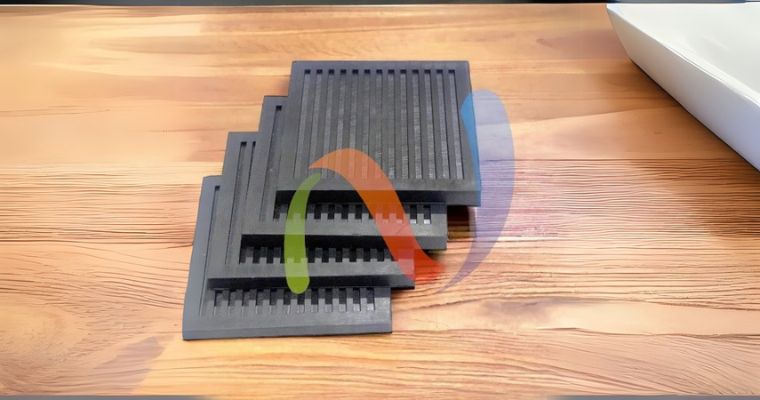
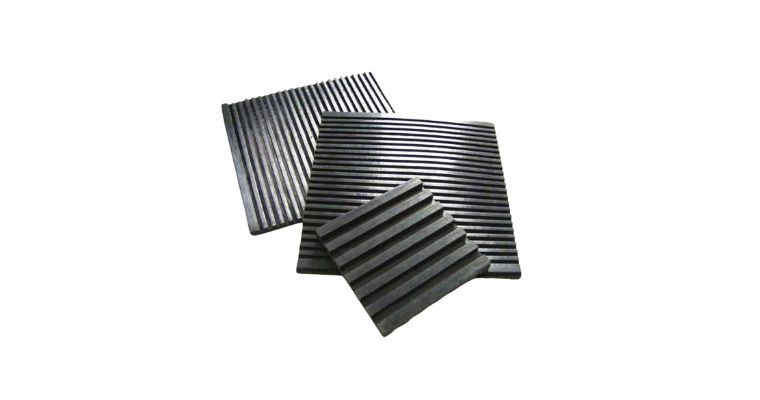
Namrata Rubber Product Pvt. Ltd provides anti-vibration rubber pad manufacturing services in South Africa for the plants in Johannesburg, the marine industry in Cape Town, power stations in Durban, and manufacturing plants in Pretoria. Namrata Rubber Product Pvt. Ltd an industrial rubber pads supplier in South Africa, provides rubber vibration isolation pads and heavy-duty rubber pads, which have been specifically designed for the purpose.
We've been in the rubber engineering game for over 15 years. We make custom rubber vibration pads from SBR and EPDM. These things can handle temperatures from -20°C to +100°C and support loads up to 500 kg/m². Tests show they hold their shape well, with less than 25% compression after 22 hours. This means they stay strong even with constant weight on them.
For vibration control, the pads are designed to vibrate at about 8–12 Hz. This helps them soak up vibrations from machines. They last a long time, basically over 10 years, even when used constantly in tough conditions. That makes them good for heavy-duty factories where you need steady vibration control. We use compression moulding, which lets us make a lot of pads that are all the same size. We can crank out about 100,000 pads a month. So, we can handle big orders for vibration pads in lots of industries.
Usually, it takes 2 to 4 weeks to get an order done, depending on how many you need and if you want anything special. We ship big orders to Africa and include all the paperwork you need for customs.
Request Bulk Quote | Get Custom Rubber Pads | Export Inquiry
Industrial anti-vibration rubber pads in South Africa from india function as viscoelastic isolators that disconnect machinery from structures, absorbing dynamic forces across frequencies of 10-100Hz through rubber or neoprene compounds with Shore A hardness ratings of 50-70. These rubber pads squish down when something heavy is put on them, and that turns the energy from movement into heat. That way, they stop vibrations from shaking other things as per ISO 10846.
Basically, they cut down on shaking (like, 75-90% less!), soak up big hits from stuff falling (up to 500 kg/m²), keep machines safe by keeping vibrations from lining up, and quiet things down by about 15-25 dB. We know this stuff works 'cause we checked how much they stay squished after being used (it's less than 25%) as per ASTM D395.
Heavy machinery rubber pads used for Johannesburg mining crusher foundations, Cape Town/Durban marine shipyards engine mounts, construction equipment excavator bases, Pretoria automotive assembly, power plant transformer isolation, and HVAC system compressor pads, protect against vibration damage by shifting natural frequencies, decrease equipment deterioration through cyclic isolation, and manage operational noise by blocking transmission paths.
Namrata Rubber Product Pvt. Ltd exports to Namibia, Botswana, and Mozambique on FOB Durban terms, supplying COO documentation, while maintaining a monthly capacity of 100,000 units for delivery within a reliable timeframe of 2-4 weeks across African markets.
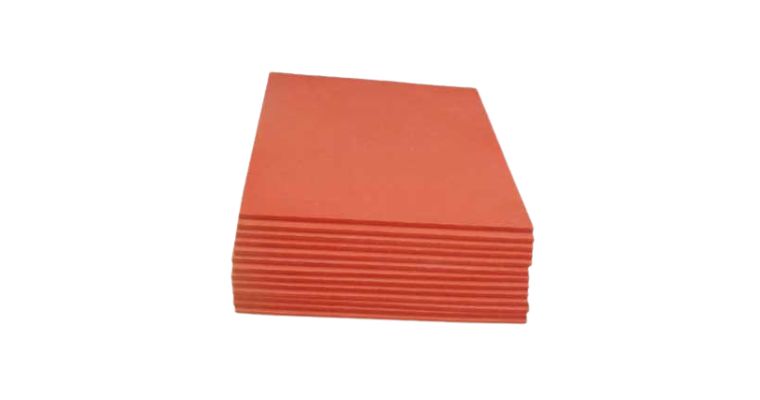
Description: In South Africa, silicone rubber pads are used in the temperature range -50°C to +250°C with Shore A hardness values of 40-60, with a compression set of less than 15%, as per the ASTM D1418 standard. The thickness ranges from 10-50mm for loads up to 200 kg/m².
Applications:
Key Benefits:
In South Africa, power plants use silicone pads for the auxiliary equipment of the turbine to maintain the stability of the alignment during steam exposure operations at 150°C.
Description: In South Africa, natural anti-vibration pads are made with NR latex compounds with a tensile strength of 20 MPa that can stretch up to 500%, as per the ASTM D412 standard. The Durometer 50-70A has a load capacity of 400 kg/m² with a thickness ranging from 15-40mm.
Applications:
Key Benefits:
In Johannesburg, South Africa, natural pads are used in the crushers of the mining industry to reduce the transmission of vibrations to the structure by the operational frequencies.
Description: The South African EPDM rubber pads for vibration isolation have ozone resistance (100 pphm/72h) and UV stability as per ASTM G154 standards. The temperature range is supported from -40°C to +150°C, with Shore A hardness of 55-75, which is capable of supporting loads of up to 300 kg/m².
Applications:
Key Benefits:
The coastal facilities in Cape Town, South Africa, use EPDM pads under marine diesel generators, which are exposed to salt spray conditions.
Description: The South African Neoprene Rubber Vibration Pads for Isolation use polychloroprene with moderate oil resistance, with a hardness of Shore A 55-75 as per ASTM D2000 BC standards. The product is capable of supporting loads of up to 350 kg/m², with a temperature range of -30°C to +120°C, and a compression set of less than 25%.
Applications:
Key Benefits:
The South African Durban shipyards use Neoprene pads for the dry dock equipment used for ship maintenance purposes.
Description: In South Africa, the nitrile rubber vibration pads have NBR that experiences less than 10% swell when in contact with oil, based on ASTM D471 standards. The operating temperature is between -30°C and +120°C, with a tensile strength of 16 MPa, able to support a load of 450 kg/m², and with abrasion resistance.
Applications:
Key Benefits:
In South Africa, the installation of refinery compressors uses nitrile pads for base stability within hydrocarbon environments.
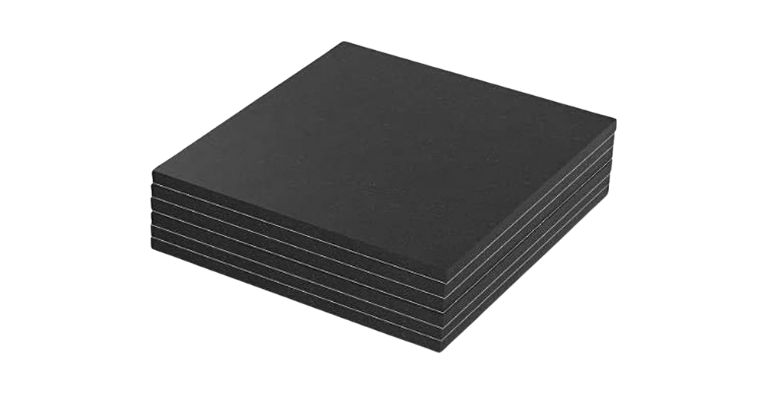
Description: Square anti-vibration rubber pads available in South Africa have an SBR/NR blend, ranging from 100 to 500mm in format and 20 to 50mm in thickness. The pads have the ability to support a uniform load of up to 600 kg per pad, with a natural frequency of 8 to 12 Hz.
Applications:
Key Benefits:
In South Africa, Johannesburg-based manufacturing facilities place square pads under high-speed presses to ensure bolt-free stability.
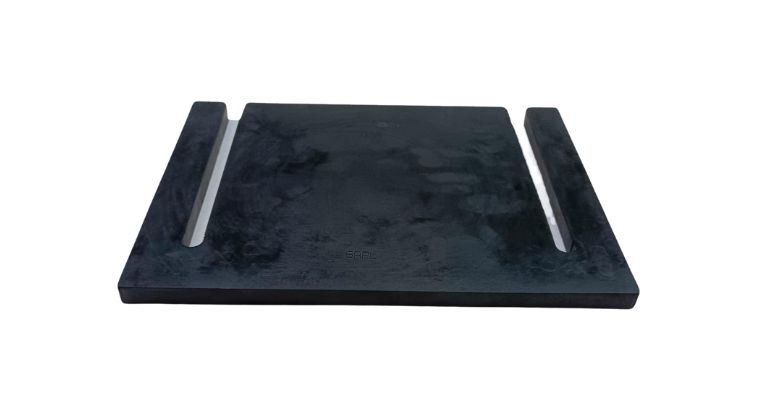
Description: In South Africa, the range of rectangular pads is between 200 x 400mm and 500 x 1000mm, with a thickness of 25 to 60mm. Their multi-layer construction ensures the distribution of a load of up to 800kg/m² over a large surface area.
Applications:
Key Benefits:
In South Africa, automotive manufacturing facilities in Port Elizabeth rely on the use of rectangular pads under robotic welding equipment to ensure uninterrupted processes.
In Johannesburg, the suppliers of industrial rubber pads provide nitrile and natural rubber pads for the mining sector. The pads are designed for use in the foundations of crushers and the isolation of conveyors. The pads are manufactured with 20-50mm thickness and tested for dynamic loads of up to 400 kg/m² according to ASTM D395 compression test standards.
The suppliers of the pads send large quantities to Randfontein mines in Johannesburg. The dealers of the product provide EPDM variants for the use of the mining sector in the structures of the mines. The pads reduce the transfer of structure-borne vibrations by 75-85% in the range of 15-50Hz. This protects the underground structures from fatigue failure.
In Cape Town, the suppliers of industrial rubber pads provide neoprene and EPDM pads for the structures of ships and the machinery of the dockyard. The pads are designed for use in the structures of the ships and the machinery of the dockyard. The suppliers of the product provide pads rated for use in the marine environment with Shore A hardness of 55-70.
These pads are resistant to saltwater corrosion and provide 10 years of service life in the presence of UV light according to ASTM G154. The crane manufacturers of the dockyard provide the pads with flanges. The dealers of the product provide the pads for the structures of the dockyard in Table Bay. The dealers recommend the use of 25mm thickness pads under the generator sets in the structures of the dockyard in Cape Town.
In Durban, rubber vibration pads are used under port container cranes and in chemical plants. These use nitrile rubber pads that can handle oil exposure, swelling less than 10% based on ASTM D471 standards. Distributors take care of big orders for container stuff. Manufacturers make 30x30 cm square pads to keep hydraulic presses separate and quiet, mostly for shipping to Maydon Wharf.
Forklifts and straddle carriers there use good marine-grade neoprene, which makes sure they work well, carrying up to 500 kg per wheel in Durban's busy environment.
Anti-vibration silicone pads in Pretoria ensure that the pharmaceutical cleanrooms and government infrastructure projects have reliable transformer isolation, utilizing pads that have a dielectric strength of 20 kV/mm. Manufacturers have custom 40-60A durometer pads for the precision equipment, targeting the Centurion research facilities through the distributors. Dealers have metal detectable materials with RoHS certification for sterile processing. This ensures that the products will perform well under HVAC systems.
The suppliers of rubber vibration pads in Port Elizabeth have the square and rectangular pads targeting the Coega automotive assembly plants for the isolation of the robotic welding equipment. Manufacturers have 100x100 mm pads with 8-12 Hz natural frequency for the press shop, whereas the distributors have the IDZ, ensuring delivery within 48 hours.
Neoprene compounds have reliable performance in the environment that they are exposed to, cutting fluids without the loss of load capacity, still at 300 kg/m², ensuring continuous stamping and assembly in the high-volume environment of the automotive manufacturing.
The gold and platinum mining industries in Johannesburg utilize NR pads, with a thickness of 25 to 50mm (Shore A 60), under 10-tonne equipment, limiting floor deflection to less than 1mm under peak load, as tested and certified by ASTM D395 compression test standard.
Pads of 400 x 400mm are effective in withstanding dynamic loads of up to 800kg/m², thus preventing distortion of the equipment frames throughout the stamping operation, as the equipment operates around the clock.
Namrata Rubber Product Pvt. Ltd is a company that specializes in the manufacturing of custom-designed rubber pads with dimensions ranging between 50mm and 500mm and a hardness level of Shore A 40 to 80, and this is done within a period of 2 weeks after the approval of the design of the prototype.
We can provide a wide range of different types of rubber, ranging from natural rubber, which has high resilience, to EPDM, which has excellent resistance to UV/Ozone, nitrile, which is oil-resistant, neoprene, which is durable in different weather conditions, and lastly, silicone, which has the capacity to withstand high temperatures, in accordance with the ASTM D2000 standard.
The company's bulk supply capacity ensures the delivery of 100,000 pieces per month using 50-ton capacity machines, which are used in the compression and injection molding of the product, and this ensures the provision of a consistent delivery schedule in line with the mining activities in Johannesburg and the marine activities in Durban.
Furthermore, the company's high precision rubber molding ensures accuracy within ±1mm, as proved by the inspection using a coordinate measuring machine, which also confirms the presence of a flash-free parting line.
The company's compounds are made in accordance with the ASTM D2000 standard, and the company's compounds are made in accordance with the ISO 9001:2015 standard.
The company's export support in Africa ensures the provision of packaging, certificates of origin, fumigation clearance, and Incoterms documentation in Durban, and this ensures the delivery of the product to countries such as Namibia, Botswana, and Mozambique within a period of 7 to 14 days.
Furthermore, the company's technical support in Africa ensures the provision of free vibration analysis, free installation guides, and free on-site audits.
Material And Technical Specification
Anti-vibration rubber pad specifications in South Africa
| Material | Temperature Range | Oil Resistance | UV Resistance | Best Application |
| Silicone | -50°C to 250°C | Moderate | High | Electrical & HVAC [ASTM D1418] |
| Nitrile | -40°C to 120°C | Excellent | Moderate | Oil & fuel systems [ASTM D2000] |
| EPDM | -40°C to 150°C | Low | Excellent | Outdoor equipment [ASTM D2000] |
| Neoprene | -35°C to 120°C | Good | Good | Marine machinery [ASTM D2000] |
| Natural Rubber | -40°C to 80°C | Low | Moderate | General machinery [ASTM D2000] |
Load capacities verified through compression testing per ASTM D395(<25% set maximum). All materials meet RoHS requirements for industrial applications.
What are anti-vibration rubber pads used for?
Anti-vibration rubber pads isolate machinery from supporting structures by absorbing dynamic loads in the 10-50Hz range, preventing vibration transmission that causes foundation fatigue and noise radiation through building elements.
Which Rubber Pad material is best for heavy industry?
For presses and crushers dealing with loads up to 600 kg/m², rubber pads with a Shore A hardness of 50-70 work best. They cushion better than harder synthetic stuff and stay stable even when running all the time.
Are Rubber vibration pads suitable for mining equipment?
Pads made of nitrile and natural rubber are good under mining crushers and conveyors. They hold up against rough stuff and constant impacts by cutting down on vibration traveling through structures. They do this by separating the equipment's natural vibration from the building's.
Do you guys sell these anti-vibration pads all over South Africa?
We've got delivery networks set up so we can ship anywhere nationwide. Places like industrial areas in Johannesburg, marine places in Cape Town, refineries in Durban, factories in Pretoria, and car plants in Port Elizabeth get deliveries in about 2-3 days.
Can you make custom-sized pads?
If you need a special size, say anywhere from 100x100mm to 1000x1000mm, and between 10-100mm thick, we can do it. We use compression molding, so they'll be within about ±2mm of what you asked for. Once we approve the CAD drawing, it takes about 2 weeks to make them.
How long do these industrial rubber pads usually last?
If you don't overload them, they should last about 8-15 years. We know this because we test them to see how much they compress over time (it's less than 25%, according to a standard test called ASTM D395) and how they age quickly (using ISO 2440).
Do these pads hold up against oil and chemicals?
Nitrile pads are great with oil; they barely swell up (less than 10%, according to ASTM D471). Neoprene can handle some chemicals, but if it's a really clean workplace, silicone and EPDM are good choices; just keep them away from hydrocarbons.
Which rubber pad is best if it's going to be outside?
EPDM pads are awesome outdoors. They don't break down from ozone (we test them for 72 hours, as per ASTM G154) or UV light, so they won't crack, even in tough coastal spots like Cape Town and Durban.
Do you ship rubber pads to other countries in Africa?
Yeah, we export to Namibia, Botswana, and Mozambique. We pack them up in Durban, give you the paperwork you need (like COO certificates and Incoterms stuff), and they usually get there in 7-14 days with our shipping partners.
Are rubber pads good for stopping electricity?
Usually not. However, silicone pads can handle up to 20 kV/mm, so they're okay to use under transformers and motor mounts where you want to prevent electrical problems.
Buy in bulk and save on vibration control! Order 500+ units for a discount. We can make up to 100,000 units a month to fit whatever you need.
Need custom pads? We'll craft them from top-notch stuff and give you free CAD analysis and a prototype in a week. We make sure they handle loads between 300-800 kg/m² with a super-close ±2mm size match for your gear.
We'll ship your order fast! Expect delivery in 2-4 days to factories in Johannesburg, marine yards in Cape Town, refineries in Durban, plants in Pretoria, or assembly lines in Port Elizabeth, thanks to our trusted shipping partners.
Need it exported? No sweat. Our packaging meets FOB Durban standards, with all the paperwork (COO certificates, fumigation, etc.) and Incoterms-ready crating. Expect delivery to Namibia, Botswana, or Mozambique in 7-10 days.
Want to be sure our pads will work? They pass ASTM D395 compression tests, so they’re built to last! Send us your specs now, and our engineers will check them out ASAP.
Want a quote? We will get back to you within 24 hours.
Want to talk to a rubber expert? Set up a live chat!
Want export pricing? Instant quotes with paperwork ready when you need it.

Exercitation ullamco laboris nis aliquip sed conseqrure dolorn repreh deris ptate velit ecepteur duis.