Exercitation ullamco laboris nis aliquip sed conseqrure dolorn repreh deris ptate velit ecepteur duis.

Namrata Rubber Product Pvt. Ltd target industries include rubber sheet manufacturing industries across South Africa. These industries may be gasket manufacturing industries in Johannesburg, marine decking materials in Cape Town, chemical plant component manufacturing industries in Durban, and engineering component suppliers in Pretoria.
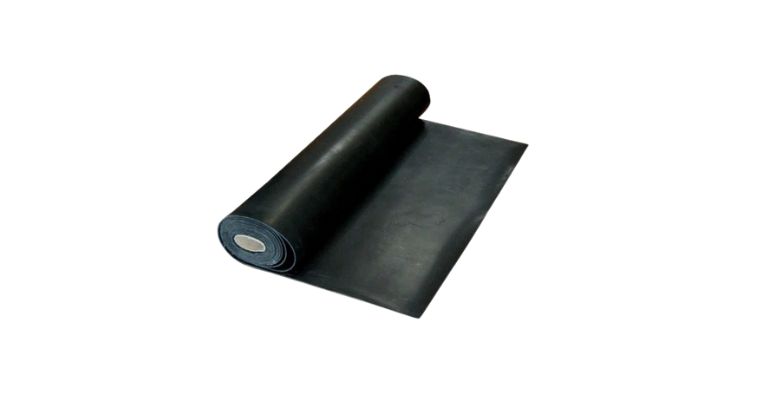
Industrial-grade rubber sheets, including custom calendered products, are available across the country, varying in thickness from 1mm to 50mm and width up to 1.5 meters. Compounds for rubber sheets are formulated to suit the specific environmental demands of each product.
Custom rubber sheets available from the suppliers also offer sheets with precise width slitting to ±1mm tolerance and surface finish of Ra 3.2 µm. Such specifications are met through calendaring and vulcanization procedures to produce materials with Shore A hardness from 40 to 95 points. Such rolls may be produced to an approximate 20,000 m² monthly quantity to cater to large-scale industrial requirements.
Export operations of suppliers of industrial rubber sheets in Africa involve FOB container loading with test certificates and a certificate of origin for smooth customs clearance procedures in the mining and industrial processing industry.
Industrial rubber sheet materials are available in several performance grades, including nitrile oil-resistant sheets (ASTM D2000 AA), EPDM weather-resistant sheets (ASTM D2000 BA), and silicone high-temperature sheets, which can operate between -50°C and +250°C, according to ASTM D1418 standards.
Request Bulk Quote | Get Custom Rubber Sheet Design | Export Enquiry
The industrial rubber sheets suppliers in South Africa from India offer flexible materials for use in compressible seals in flange grooves, wear resistance for conveyor skirtboards, and vibration isolation surfaces for machinery foundations and concrete foundations. The heavy-duty rubber sheets suppliers offer calendared rubber sheets with fabric reinforcement for use in applications where dimensional stability is a requirement under continuous loading. The sheets are offered in a range of 1 mm to 50 mm in thickness.
Namrata Rubber Product Pvt. Ltd is an industrial rubber sheets supplier to a number of industries in South Africa, ranging from mining operations in Johannesburg to quartzite crushing operations, marine deck coverings in Cape Town, chemical containment operations in Durban, and pharmaceutical industries in Pretoria. The automotive press operations use nitrile rubber sheeting for use in the wipers of hydraulic rams, whereas building and construction operations use neoprene rubber sheeting for use in building expansion joints as a filler material.
In oil and gas facilities, Viton sheets are used for valve cover gaskets to resist sour gas permeation. Food processing and pharmaceutical companies need FDA-approved silicone sheets for hygienic conveyor skirting and pass-through frames for their clean rooms. Hypalon sheets are recommended by marine engineers for bilge protection, and EPDM insulation sheets are cut from 10-meter rolls for use by HVAC engineers in rooftop chiller installations.
Suppliers of custom rubber sheets can offer custom widths up to 1.8 meters, and exporters offer FOB container export with certificates of origin for delivery to industrial clients in Botswana and Namibia. They also offer just-in-time delivery with a 48-hour response time from their Johannesburg warehouses to factories in Gauteng and assembly plants in Port Elizabeth.
Namrata Rubber Product Pvt. Ltd provides precise calibration of rubber sheets that are manufactured using advanced calendering and extrusion techniques to ensure that compound formulations are matched to environmental, chemical, and mechanical conditions required in various industrial applications of seals and vibration isolation systems.
Silicone rubber sheets available in South Africa are utilized in various industries that require high thermal stability, hygiene, and electrical insulation properties. These sheets are generally categorized into high-temperature silicone rubber sheets, food-grade heat-resistant silicone sheets, and silicone gasket sheets that are utilized in various industrial processing applications.
Description
Flexible sheets of heat-resistant silicone rubber are generally used in sealing, insulation, and cushioning operations. Such sheets can withstand extreme temperatures and are often used in food, medical, and industrial applications, which require durability and stability.
Applications
Key Benefits
South Africa Use Case
Dairy processing plants in Johannesburg and pharmaceutical facilities in Pretoria frequently install silicone rubber sheets for hygienic machine guards and steam-rated enclosures, ensuring reliable sealing during autoclave sterilization cycles.
Natural rubber sheets from South Africa are commonly used for industrial applications that require high elasticity, high abrasion resistance, and high vibration absorption. These products are available in different varieties, such as abrasion-resistant rubber sheets, vibration absorption rubber sheets, and flexible industrial rubber sheets for heavy-duty industrial applications.
Description
Flexible sheets made of natural rubber are known for their excellent elasticity and strength. They find applications in cushioning, sealing, and absorbing shocks, especially in automobiles, construction, and industries where strength and flexibility are required.
Applications
Key Benefits
South Africa Use Case
Platinum mining operations in Rustenburg and engineering workshops in Johannesburg commonly fabricate crusher feed chute liners and machine base isolation pads from natural rubber sheets, helping reduce vibration and extend the operational life of heavy equipment foundations.
Description
EPDM rubber sheets are hard materials that resist weather, UV, and moisture. This rubber sheeting material is often used for outdoor sealing, roofing, and insulation, especially when long exposure to environmental conditions is expected.
Applications
Key Benefits
South Africa Use Case
In South Africa, EPDM sheets are being used in equipment enclosures in warehouses at Cape Town harbour and container depots at Durban, exposed to salt-laden winds and blistering sun.
Nitrile Rubber Sheets are available in Oil Resistant, Fuel Resistant, and Petroleum Resistant grades.
Description
Nitrile rubber sheets are industrial materials that have resistance to oil and fuel. These sheets provide reliable sealing and cushioning for applications with petroleum-based products. They can be used for automotive, machinery, and gasket industries.
Applications
Key Benefits
South Africa Use Case
In South Africa, Nitrile Sheets line the bund wall and workshop floor of fuel refineries within the city of Durban to prevent fuel spillage and constant vehicle wear.
Chemical-resistant rubber sheets, weather-resistant neoprene sheets, marine-grade rubber sheets, and polychloroprene sheets are available.
Description
Neoprene rubber sheets are versatile materials that are resistant to oils, chemicals, and weather conditions. The materials are applicable in sealing, insulation, and cushioning in industrial, marine, and automotive applications. The applications require the materials to be durable and resistant to moderate temperatures.
Applications
Key Benefits
South Africa Use Case
In South Africa, Cape Town has ship repair facilities where neoprene sheets are cut for dry dock fenders and hatch covers, providing cushioning while resisting corrosion from constant ocean spray.
The role of the rubber sheet manufacturing industry in Johannesburg, South Africa, cannot be overemphasized, particularly with regard to the country’s mining and heavy engineering industries. As the economic center of Gauteng, the Johannesburg area has many rubber sheet manufacturing companies, suppliers, distributors, and exporters whose products are used in the mining industry and in the production of industrial machinery and equipment. Suppliers of rubber sheets in the Johannesburg area offer products such as nitrile, natural rubber, EPDM, and neoprene, which are used in mining conveyor belts, crusher feeders, and hydraulic equipment covers.
The role of the supplier of rubber sheets in the Johannesburg area cannot be overemphasized, particularly with regard to the country’s mining and heavy engineering industries. Suppliers of rubber sheets in the Johannesburg area offer products such as nitrile, natural rubber, EPDM, and neoprene, which are used in mining conveyor belts, crusher feeders, and hydraulic equipment covers. Distributors of rubber sheets in the Johannesburg area keep stocks of their products in warehouses, which are used in the repair and maintenance of mining and industrial machinery and equipment. Exporters of rubber sheets based in Johannesburg often export their products to neighboring countries such as Botswana and Zimbabwe, where there are mining activities.
The main market for Cape Town-based rubber sheets suppliers is industries involved in marine engineering, shipbuilding, and coastal development. This is due to the fact that Cape Town is located along the western coast of South Africa, thus there is a high demand for weather-resistant rubber sheets.
The majority of the suppliers of rubber sheets in Cape Town export their products to industries involved in marine engineering, shipbuilding, and coastal development. Suppliers of rubber sheets in Cape Town export their products to industries involved in marine engineering, shipbuilding, and coastal development. This is due to the fact that Cape Town is located along the western coast of South Africa, and there is a high demand for weather-resistant rubber sheets.
The majority of the suppliers of rubber sheets in Cape Town export their products to industries involved in marine engineering, shipbuilding, and coastal development. Suppliers of these products often export sheets made of EPDM, neoprene, and silicone materials, which are often used for sealing applications in the marine environment. Ship repair facilities use neoprene rubber sheets for deck gaskets and hatch seals, while EPDM sheets are often installed as waterproof barriers for coastal building structures and port warehouses.
Industrial contractors working in harbour infrastructure also rely on rubber sheet materials for vibration damping and equipment lining in marine machinery. Suppliers maintain a stock of large rubber sheet rolls that can be cut into custom dimensions for ship maintenance operations and offshore engineering projects throughout the Western Cape region.
Distributors of rubber sheets in Durban serve various industrial segments related to petroleum and petrochemical processing and handling. Durban is known for its largest petroleum and petrochemical plants in South Africa. These plants demand oil-resistant and chemical-resistant materials like rubber sheets for containment and sealing purposes.
Distributors of rubber sheets in Durban offer various types of materials, like nitrile and Viton sheets for fuel handling environments in petroleum plants. These materials are used for bund liners, pump base mats, and spill containment barriers in petroleum plants. EPDM sheets are used for weather-resistant enclosures and vibration-dampening systems in cargo handling equipment in ports.
As it is one of the major shipping centers for Southern Africa, distributors of rubber sheets in and around Durban assist in export activities by arranging bulk materials for various industrial clients in Mozambique, Namibia, and other countries in the region. They maintain close relationships with various petrochemical plants and cargo handling companies in and around Durban to serve industrial clients in the region.
Pretoria is home to various industries related to rubber sheets. Some of these industries include government infrastructure projects, manufacturing facilities of pharmaceutical products, and manufacturing facilities of HVAC equipment. Engineering workshops and research facilities require precise materials of rubber sheets.
Rubber sheets manufactured in Pretoria often include materials such as silicone rubber sheets. Such materials are usually used in hygienic processing facilities, especially in pharmaceutical facilities and biotechnology facilities.
Pretoria is also home to various industries related to manufacturing facilities of HVAC equipment. Such facilities require materials of EPDM rubber sheets. Such materials are usually used to provide insulation to air-conditioning systems of various commercial facilities. Since there is a presence of engineering contractors in the region of Gauteng, Pretoria is often home to various manufacturing facilities of rubber sheets used by various construction projects and facilities of engineering teams related to government infrastructure projects.
Port Elizabeth is home to suppliers of rubber sheets that serve the needs of industries associated with the manufacture of automobiles and other industrial equipment. The city is among the leading automotive manufacturing hubs in South Africa. Consequently, there is a need for rubber sheets used for sealing and protecting machinery. These are the needs that are often addressed by suppliers of rubber sheets operating in the city.
Typical products supplied by rubber sheet suppliers in Port Elizabeth include nitrile and natural rubber sheets used for the flooring of automotive workshops, protection of hydraulic machinery, and the manufacture of vibration pads used for protecting machinery used on the assembly line. These products are important for reducing the effects of wear and tear on machinery.
Industrial equipment manufacturers also use products supplied by rubber sheet suppliers in Port Elizabeth for the manufacture of gaskets, the lining of machinery, and conveyor belts. The city is also strategically positioned to serve the needs of the Eastern Cape’s manufacturing sector.
South African suppliers of rubber sheets provide materials to mines, factories, ports, and food processing plants where the required compound, thickness, and hardness are selected according to environmental exposure and conditions.
South African suppliers of heavy-duty industrial rubber sheets provide abrasion-resistant natural rubber and NR-SBR sheets for lining equipment exposed to high wear conditions in mining plants. The sheets are generally applied as chute linings, trommel panels, and impact pads in various mining plants based in Johannesburg and Rustenburg. The use of heavy-duty rubber sheets has greatly contributed to the reduction of wear in high-tonnage conveying equipment, as per standard wear lining guidelines referenced in various equipment design manuals and handbooks.
Nitrile rubber sheets are commonly applied in fuel depots and refineries based in Durban due to their ability to withstand petroleum-based oils and fuels. NBR sheets are often applied as flange gaskets, pump base seals, and pipe support pads in oil refineries based in Durban. The sheets' ability to withstand hydrocarbon-based oils and fuels is in compliance with elastomer data generally referenced in oil-handling equipment design manuals.
Automotive component manufacturers in Gauteng use EPDM and nitrile rubber sheets for die-cut component production. These die-cut components include brake shims, pedal pads, and underbody splash guards. These materials have shown considerable resistance to exposure to heat and ozone. These materials can be used in areas where the engine is located. On the other hand, nitrile materials can be used for sealing applications where oils and lubricants may be present. These materials are often determined by compound selection tables used in automotive sealing design.
Suppliers of Neoprene Rubber Sheets in South Africa manufacture ribbed and coin-patterned industrial flooring materials used in industrial environments. Factories in Durban and Cape Town often use these materials for floor coverings. These materials are often used in industrial environments where walkways and machinery areas are exposed to human activity. These materials offer moderate resistance to oils and wet slip resistance. These materials meet industrial floor covering requirements and support workplace safety standards.
EPDM rubber sheet is commonly installed in marine engineering applications in Cape Town, particularly around deck equipment bases and engine room structures. The material provides vibration damping and acoustic insulation while maintaining resistance to UV radiation and coastal weather exposure. These properties make EPDM suitable for marine environments according to elastomer selection practices used in shipbuilding and marine equipment design
In the chemical industry, rubber sheets are used for bund liners, pump plinth covers, and splash zone protection systems. Material selection in the chemical industry involves the use of EPDM and other specific rubber compounds. Material selection in the industry is done on the basis of charts, which compare the swelling properties and hardness of the rubber when subjected to specific solvents, acids, and industrial chemicals.
Silicone rubber sheets and closed-cell elastomers are commonly used in the HVAC industry in the city of Johannesburg. These rubber sheets are used to seal the duct flanges, vibration joints, and insulation panels. These rubber sheets are widely used because of the high and low temperature resistance properties of silicone rubber, which enable the rubber to function effectively in the operating environment, as recommended in the installation guide for the HVAC industry.
EPDM rubber sheets are commonly used in water treatment facilities in the country. These rubber sheets are widely used in the water industry because of their high resistance to chlorinated water and exposure to the elements, which makes the rubber sheet a recommended choice for the water industry, as indicated in the water industry’s selection guide.
Silicone rubber sheets and food-grade EPDM materials are often employed in the dairy, beverage, and meat processing industries. Sheets of rubber are formed into scraper blades, door seals, and equipment edge guards to help create hygienic processing environments. Materials are specified according to guidelines for food contact materials, such as FDA-style or EU-style, which emphasize cleanability, contamination control, and safe use of materials in the vicinity of food processing areas.
South Africa’s major rubber sheet producers offer a wide range of industrial-grade elastomer materials to serve various industries, including mining, marine engineering, petrochemicals, automotive, and food processing. Most of the industrial rubber sheets available in South Africa are provided by companies that offer customized rubber sheet production and export services.
Namrata Rubber Product Pvt. Ltd offers customized industrial-grade rubber sheets through the combination of traditional calendaring and compression molding processes and advanced compound formulation expertise. The company offers various types of rubber materials, including natural rubber, NBR, EPDM, Neoprene, and Silicone, available in varying thicknesses from 1 mm up to 50 mm. The sheets can be supplied in widths up to 1,500 mm, allowing for accurate cutting requirements to suit various fabrications required by industrial gasket producers in Johannesburg and marine contractors in Cape Town.
The company’s rubber sheet production processes utilize continuous calendaring machines, which maintain uniform thickness throughout the sheets, along with gauge control within ±0.2 mm on rolled materials. Reinforced rubber sheets with fabric insertion are also available for heavy-duty applications, including chute linings and conveyor skirtings in the mining industry.
Production capacity facilitates bulk production quantities of up to 50 tons per month for standard types of compound materials. This allows for container load consignments to automotive component manufacturers in Port Elizabeth and sealing product manufacturers for use in the oil and gas industry in Durban. Shore hardness specifications of ±3 Shore A and tensile strength specifications comply with ASTM D412 specifications for testing elastomers.
Export logistical support includes moisture-resistant packaging, palletised crating with anti-slip interleaving materials, and FOB shipping documentation such as certificates of origin and fumigation compliance certificates. These procedures enable export consignments to various countries in Africa, including Namibia, Botswana, and Mozambique. These exports are transported via freight forwarding companies with which we have existing relationships and can deliver within a period of between four and six weeks.
Pricing structures for industrial clients include volume-based pricing structures for orders above 500 kg. Transparent raw materials indexing enables customers to better estimate costs for longer-term supply agreements and delivery schedules. Shore A hardness verification, compression set testing in accordance with ASTM D395 compression set testing of elastomers, tensile strength verification (≥10 MPa for standard types of general-purpose natural rubber sheets), and elongation testing of each batch of production
Technical consultation services assist customers with compound selection based on chemical compatibility charts, load–deflection calculations for vibration isolation systems, and gasket thickness recommendations for flange sealing applications across industries such as mining, marine engineering, and food processing.
| Material | Temperature Range | Oil Resistance | UV Resistance | Best Application |
| Silicone | -50°C to 250°C | Moderate | High | Electrical & HVAC [ASTM D1418 VMQ] |
| Nitrile | -40°C to 120°C | Excellent | Moderate | Oil & fuel systems [ASTM D2000 AA] |
| EPDM | -40°C to 150°C | Low | Excellent | Outdoor equipment [ASTM D2000 BA] |
| Neoprene | -35°C to 120°C | Good | Good | Marine machinery [ASTM D2000 BC] |
| Natural Rubber | -40°C to 80°C | Low | Moderate | General machinery [ASTM D2000 NA] |
Tensile strength verified per ASTM D412 (≥10 MPa typical). Thickness range 1-50mm with ±0.5mm tolerance on calendered sheet. Roll widths up to 1,500mm standard.
Bulk pricing support kicks in for orders over 1,000kg, with tiered rates reflecting production efficiencies from calendering runs while holding steady on compound quality across NBR, EPDM, and silicone grades needed by Johannesburg fabricators and Durban seal makers.
Custom rubber sheet manufacturing shapes exact thicknesses from 1mm to 50mm with widths reaching 1,500mm, cut to your patterns through die or waterjet methods, matching mining chute liners or marine deck layouts.
Fast delivery across South Africa blankets Johannesburg factories, Cape Town shipyards, Durban refineries, Pretoria plants, and Port Elizabeth component suppliers through proven road and courier routes averaging 2-4 business days.
Export-ready packaging wraps rolls in moisture-proof film with edge protection, palletized on anti-slip bases holding COO papers, fumigation certs, and Incoterms labels for clean transit to Namibia or Botswana sites.
Technical consultation walks through compound picks against your chemical charts, load calculations for anti-fatigue pads, or gasket squeeze estimates for flange jobs in chemical or food processing setups.
Upload specs now for engineering sign-off and pricing turnaround within 24 hours.
Get a Custom Quote Today – Zero-commitment price check
Speak to Our Rubber Specialist – Direct line for compound advice
Request Export Pricing – Full docs package included

Exercitation ullamco laboris nis aliquip sed conseqrure dolorn repreh deris ptate velit ecepteur duis.