Exercitation ullamco laboris nis aliquip sed conseqrure dolorn repreh deris ptate velit ecepteur duis.

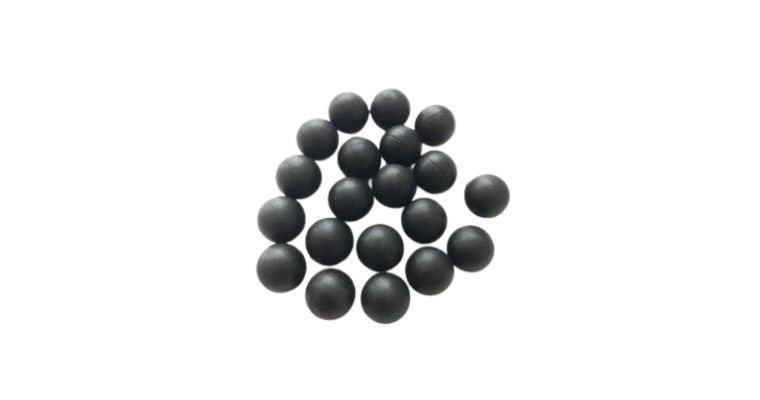
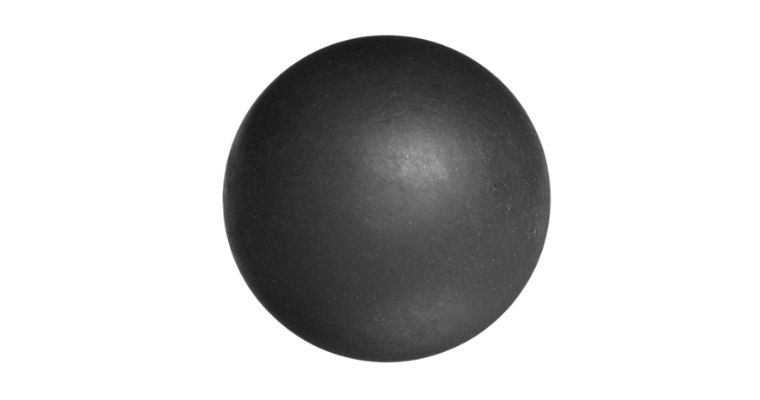
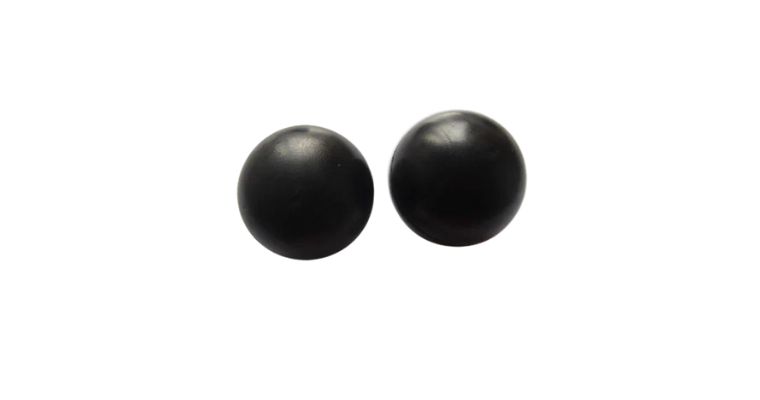
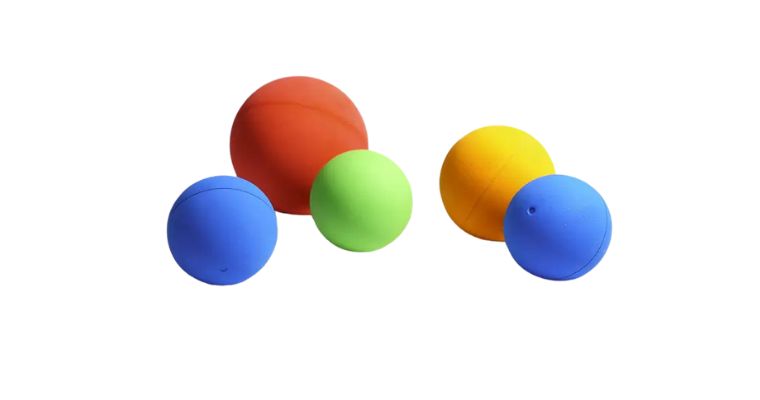
Rubber balls (food-grade) made in South Africa have been used in industries that require the utmost hygiene and safety. Namrata Rubber Product Pvt. Ltd has gained respect as a manufacturer and supplier in the food-grade segment in south africa from india, becoming a trusted partner in supplying industry-niche clients. Namrata Rubber Product Pvt. Ltd provides solutions for Rubber Parts Manufacturers and has years of experience providing precision parts using rubber materials, including solutions for food processing plants, pharmaceutical companies, and other industries that require smooth and hygienic operations.
Namrata Rubber Product Pvt. Ltd is a reputable supplier of food-grade quality rubber balls and focuses on producing quality balls for valve sealing, cleaning processes of pipelines, and flow control applications. Food-grade quality hygienic rubber balls have been produced for the food processing industry to provide smooth and hygienic operation.
Namrata Rubber Product Pvt. Ltd also provides industrial-grade quality rubber balls to other industries, including the chemical manufacturing sector. Each product is manufactured using the highest degree of precision to ensure smooth operations.
Namrata Rubber Product Pvt. Ltd manufactures/produces high-quality rubber ball products and exports them throughout South Africa. At Namrata Rubber Product Pvt. Ltd we carefully package and label our rubber ball products, so you can be confident that you are receiving a high-quality product. This allows you, as the end-users of our rubber balls, to buy our rubber balls and do business with our distributors/wholesalers/retailers confidently and without doubt, knowing full well that you have purchased a high-quality rubber product.
Food-grade rubber balls are designed specifically for hygienic manufacturers. They are built to be safe when used in food production, pharmaceuticals, and beverage manufacturing. In addition, they are made with non-toxic materials and are thus considered safe to use in those industries. However, food-grade and regular industrial rubber balls differ in that food-grade rubber balls are made under controlled conditions with higher standards of safety.
The use of food-grade rubber balls is critical to the cleanliness of any hygienic manufacturing environment. They are often used as either sieve cleaning balls to help clean various filters or as general-purpose cleaning balls to clean manufacturing pipes and screens. Cleaning is an important part of the overall process, as it keeps production running smoothly and ensures that materials do not build up in the system, which would degrade the quality of the final product.
Food-grade rubber balls are manufactured from materials such as natural rubber, silicone, and EPDM and are specially formulated for use in food manufacturing environments. However, food-grade rubber balls have some additional uses, such as in the operation of valves and pumps.
Hygienic rubber balls are vital for the effective operation of industrial machines, guaranteeing consistent, hygienic, and efficient operation throughout the course of an industrial manufacturing or production cycle.
Food-grade rubber ball manufacturers specialize in the design and manufacture of precision balls made up of materials that can be used in hygienic industries where direct contact with the product requires the use of pure and reliable materials. The chemical-resistant rubber balls used in these industries do not lose their integrity in complex equipment and meet the migration criteria.
Silicone materials used in the rubber balls have a continuous use temperature range between -40°C and +230°C, which makes the balls suitable for sterilization and hot fill applications without deforming the balls and without the migration of materials. The materials used in the balls meet the FDA standards and pass the extraction tests as per 21 CFR 177.2600 standards.
The high rebound characteristics of the balls (>65% as per ASTM D2632) allow the balls to spring back to their original form after compression in the metering pump and the check valve, which makes the balls suitable for consistent control and sealing pressure during different shifts.
Both Viton and EPDM are resistant to acid and alkali environments, so they can both be used with fruit juices that are generally at a pH of 3 to 4, and also with strong detergents that can have a pH of 11 to 13. Besides, their performance is good even when it comes to sanitizers like peracetic acid, which is a standard agent for clean-in-place processes. Further, size changes in these materials are negligible, usually less than 10%, and they can be absorbed for as long as 168 hours, according to ASTM D471 testing.
The blue or white color has high contrast with food products for visual inspection applications. Platinum-cured silicone has the ability to remove extractables and activate in-line inspection systems with the inclusion of metal-detectable additives, which have a 2mm fragment size.
The spheres have the ability to meet dimensional tolerances up to 1 million compression cycles, with the surface hardness ranging from Shore A 50 to 80, which strikes a balance between the force of the seal and the wear on the mating valve seats.
The above-mentioned characteristics make food-grade rubber balls reliable components for beverage fillers, dairy equipment, and pharmaceutical tablet coaters, where contamination prevention is crucial for efficient operations.
Namrata Rubber Product Pvt. Ltd offers products such as rubber balls for valve seats, sieves, and seals through the process of compression molding with tolerances ranging from ±0.2mm and diameters ranging from 5–100mm. The products include silicone rubber balls for heat, natural rubber balls for resilience, neoprene rubber balls for weather, nitrile rubber balls for oil, and Viton rubber balls for chemical extremes, all tested to ASTM D412 tensile standards.
Description: Silicone rubber balls, because of their flexibility, can be used in manufacturing very diverse products that require a reliable performance in food processing, cleaning products, and other high-temperature uses.
Applications:
Key Benefits:
South Africa Use Case: For South Africa, the product is used by local power plants for the use of silicone balls for the control valve for 200°C steam.
Description: It is a known fact that natural latex is very stretchy and flexible. This characteristic enables Natural rubber balls to elongate up to several times its original length without ripping, and at the same time, it possesses a good amount of strength when stretched. Moreover, to a certain degree, it is resistant to deterioration.
Applications:
Key Benefits:
South Africa Use Case: In South Africa, natural rubber balls are used in crushers in the city of Johannesburg to clean the screens in the crushing plant, hence extending the life of the mesh screens due to the consistent media used.
Description: Neoprene rubber ball is durable and used in various applications including valves, pumps and general sealing; it is resistant to oil, chemical and weather conditions.
Applications:
Key Benefits:
South Africa Use Case: In South Africa, the port of Durban uses neoprene balls in the hoist limit valves, which are not affected by salt-laden air.
Description: A nitrile rubber ball has high durability and is often used for several industrial purposes. Some of the advantages of using nitrile rubber for balls are its good resistance to oils and fuels, which makes these balls suitable for use in valves, pumps, and seals.
Applications:
Key Benefits:
South Africa Use Case: Refinery hydraulic actuators in South Africa make use of nitrile balls for flow control, which have the ability to withstand long-term exposure to oil.
Description: Higher quality Viton rubber balls possess superior resistance against heat, chemical substances, and oil characteristics. Thus, Viton rubber balls are commonly utilized within different industries where there is a need to seal and control the flow of products.
Applications:
Key Benefits:
South Africa Use Case: Chemical plants in South Africa specify Viton balls for mixer shutoff valves that handle aggressive solvents.
Description: Rubber balls used for specific applications have been manufactured based on a variety of factors, including type, size, input strength, and material used to produce the ball for the application.
Applications:
Key Benefits:
South Africa Use Case: In South Africa, valve manufacturers frequently order custom 25mm nitrile rubber balls engraved with company logos for use in hydraulic control systems.
In various processing industries, rubber balls play important roles in the processes. This is because rubber balls are chosen based on their material and dimensional accuracy.
Solid silicone rubber balls provide a positive shut-off in pneumatic conveying systems and metering pumps. This helps maintain hygiene standards while resisting exposure to chemical cleaning agents during washdown procedures.
Nitrile precision-ground rubber balls are used as flow control elements in hopper feeders and compression tools. This ensures a consistent flow of materials without contamination in sterile environments.
Rubber balls made from EPDM bounce across sieve decks to remove accumulated particles. This maintains screening efficiency across mesh sizes ranging from 200 to 400 during continuous mineral processing operations.
Industrial Sieve Separation Process
Polyurethane rubber balls provide a self-cleaning action in trommel screens. This prevents mesh blockage and allows particle classification down to sizes as small as 1 mm in aggregate processing plants.
NBR rubber balls provide a drop-tight seal in ball check valves handling hydraulic fluids at pressures up to 10 bar. This prevents backflow in systems used for pressure washing and slurry transfer.
Viton rubber balls are used as anti-vortex baffles and bearing spacers in mixing vessels. This helps maintain correct impeller clearance even when aggressive solvents are present at high temperatures.
When selecting a supplier of rubber balls in South Africa, there are many factors to consider, including whether they can consistently supply your organization with the appropriate number of rubber balls each month and how well they will serve other industries as well.
Namrata Rubber Product Pvt. Ltd is an excellent choice for supplying rubber balls because they have both experience in producing high-quality rubber balls and extensive knowledge of the requirements of all types of customers.
Namrata Rubber Product Pvt. Ltd also exports rubber balls to customers in many different countries around the world, which enables the global market for rubber balls to be supplied reliably and on time by distributing companies such as Namrata Rubber Product Pvt. Ltd.
Advantages in production process adaptability are of utmost importance. The company has proven it has the experience to create custom rubber balls by having the capability to create various shapes, hardness, and different compositions of rubber. This will be invaluable to companies looking for quality and high-value products with competitive pricing.
What are food-grade rubber balls used for?
Food-grade rubber balls serve as check valves in beverage pumps, sealing elements in metering systems, and screen cleaners in powder processing, maintaining hygiene while providing resilient sealing under pressure cycles.
Which rubber material is best for high-temperature applications?
Silicone rubber balls handle continuous exposure from -60°C to +250°C, ideal for steam sterilization and hot-fill processing, where EPDM reaches thermal limits around 150°C.
Are rubber balls safe for food processing industries?
Yes, silicone and Viton food-grade balls meet FDA 21 CFR 177.2600 and EU 1935/2004 migration limits for direct food contact, verified through extraction testing protocols.
Can rubber balls be customized in size and material?
Custom diameters from 10-150mm with tolerances ±0.5mm accommodate specific valve seats and screen apertures, available in silicone, nitrile, or EPDM compounds per application requirements.
Which industries use rubber balls the most?
Food processing leads usage for valve sealing, followed by pharmaceuticals for sterile equipment, chemical plants for pump check balls, and mining for vibrating screen cleaning.
What makes food-grade rubber balls different from industrial ones?
Food-grade variants use platinum-cured silicone passing leachate tests, unlike standard NR/NBR compounds containing plasticizers unsuitable for direct product contact.
How do rubber balls clean vibrating screens?
Balls bounce at the screen resonant frequency, dislodging particle buildup from mesh apertures to maintain separation efficiency during continuous operation.
Are hollow rubber balls available for food applications?
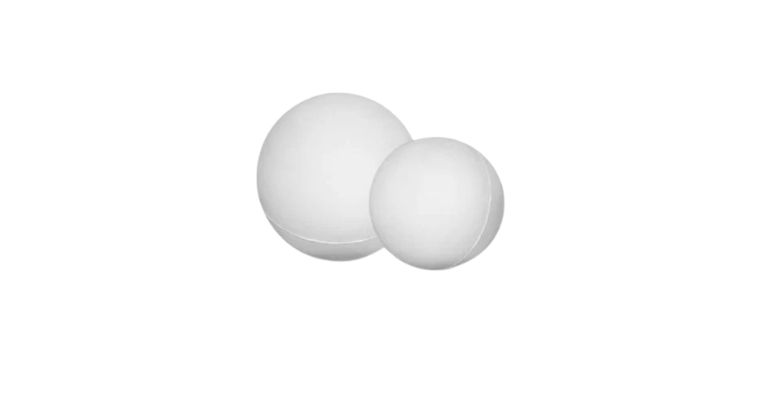
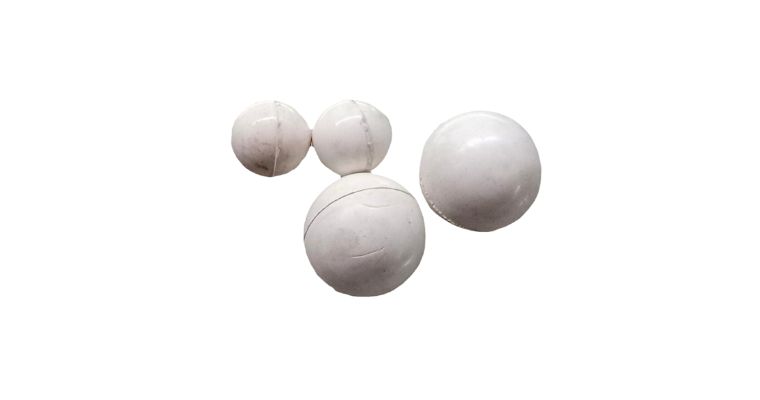
Yes, hollow silicone spheres provide buoyancy control in liquid processing while maintaining FDA-compliant material properties throughout wall thickness.
What is the compression set performance of food-grade balls?
Silicone maintains <15% permanent deformation after 22-hour compression at 70°C, ensuring reliable reseating in check valve applications.
Can rubber balls handle abrasive materials?
Polyurethane food-grade balls resist abrasion in powder handling while meeting hygiene standards, bridging the gap between soft silicone and hard plastics.
What documentation comes with food-grade certification?
FDA Declaration of Compliance, EU 10/2011 test reports, and migration analysis certificates accompany each production batch for regulatory audits.
How are rubber balls tested for food safety?
Extraction testing per FDA protocols measures soluble matter limits after 7-day immersion at 100°F, confirming no harmful residue migration.
What sizes are standard for valve applications?
25mm, 38mm, 50mm, and 75mm diameters fit common check valve bodies, with custom intermediates produced via precision transfer molding.
Do you offer export packaging for Africa?
FOB Mumbai crating with anti-static liners, COO certificates, and fumigation clearance ensures 4-6 week delivery to Johannesburg processing plants.

Exercitation ullamco laboris nis aliquip sed conseqrure dolorn repreh deris ptate velit ecepteur duis.