Exercitation ullamco laboris nis aliquip sed conseqrure dolorn repreh deris ptate velit ecepteur duis.

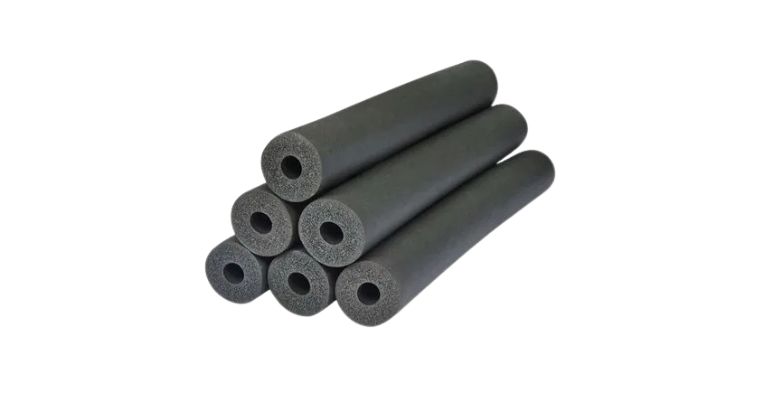
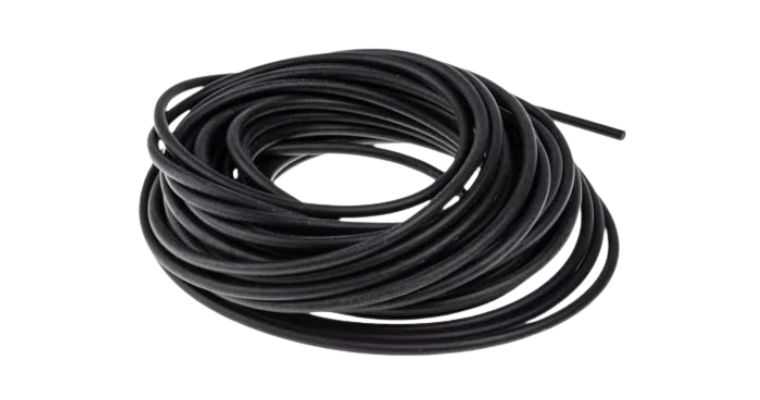
The companies that make rubber tubes in South Africa make products that work well in certain situations. The companies in Johannesburg, Cape Town, and Durban need rubber tubes that can handle a lot of pressure and temperature changes.
The people who make rubber tubes in South Africa are very helpful. Can make special products for each customer. They make sure the rubber tubes are made as the customers need them to be. They think about the size of the rubber tube and what it is made of when they're making it.
Namrata Rubber Product Pvt. Ltd make rubber tubes in South Africa is to make high-quality rubber tubes that can handle situations like heat, oil, and chemicals. They want to make products that last a long time and do not need to be fixed very often. In South Africa, some places sell rubber hoses, and they have products that are ready to use.
The companies that sell custom rubber tubes in South Africa send their products throughout the country and to the areas around it. They pack their products carefully and check the quality of each one.
Request a Quote
Download Product Catalogue
Get Custom Tube Design
Industrial rubber tubes are commonly used in South Africa for the safe transfer of liquids and gases and the insulation of electric cables. It is also very flexible and can absorb vibrations at the same time as reducing noise and sealing the end of the tube when needed. It is used to support demands in various South African industries.
In the mining sectors of Johannesburg and Pretoria, the material is used to transfer waste, water, or abrasive materials. It is very effective in such hard environments without signs of wear and tear. In the oil and gas sector in Cape Town and Durban, materials are used to transport oil or chemicals. The company also supplies automotive parts to Port Elizabeth. Rubber tubes are used in the manufacture of various parts of cars, such as the cooling system, the fuel system, the air circulation system, and almost all other parts of the vehicle. It is also used to keep liquids clean during use.
Material hygiene is maintained by constant sealing and material composition. In the pharmaceutical and medical fields, materials are used in a controlled environment to prevent contamination of materials and other products. It is used in such environments while ensuring maximum attention to the prevention of contamination. In the construction and HVAC sectors, the material is used for drainage, insulation, and ventilation.
It is very effective in real applications. Industrial rubber tubes in South Africa are designed to be used in harsh outdoor environments and controlled environments such as offices and other buildings. The material is very effective and can last for a long time when exposed to the sun and harsh weather conditions, while resisting the formation of ozone. It is also very resistant to chemicals based on oil and fuel, depending on the composition of the material.
Rubber tubing solutions still hold the majority of the market share of supplying the equipment of industries in South Africa. The industries that have been supplied include, among others, the manufacturing sector, the automobile sector, the marine sector, the food processing sector, and the construction sector.
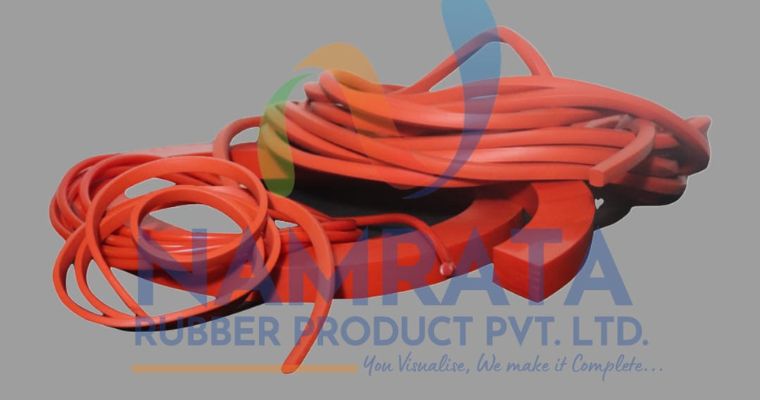
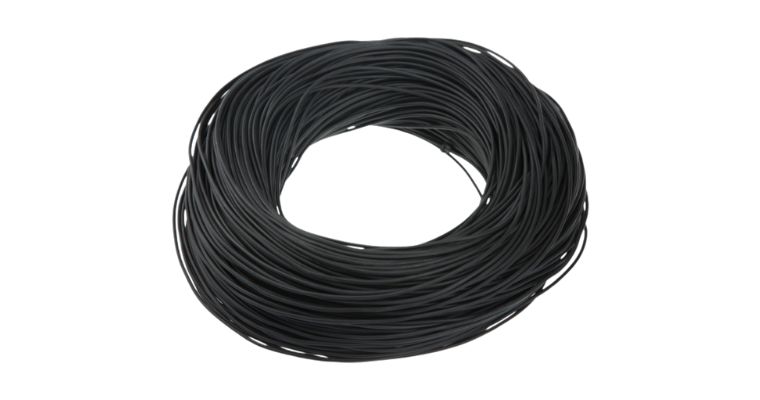
Apart from tubes, the company's extensive product line offers cords as well. The solutions have been developed to deliver performance that is dependable and efficient while still fulfilling the different needs of the industries with the targeted outcomes.
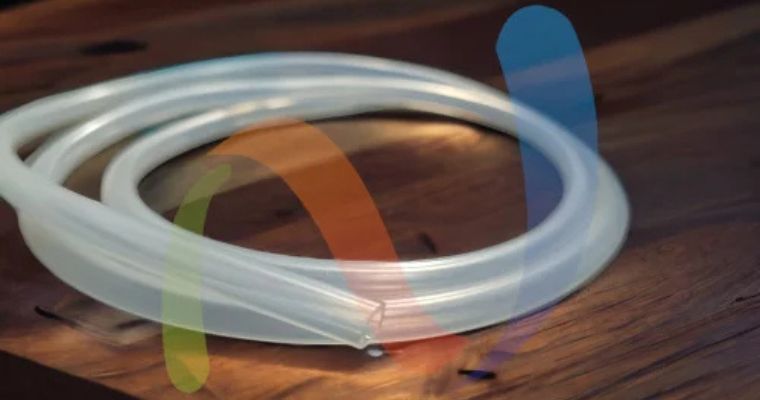
Among many industries, hygienic factors are so crucial that silicone rubber tubes have become very popular in South Africa. The extremely durable silicone rubber tube has been used extensively, especially when the tube needs to maintain its flexibility even at very high or very low temperatures.
Medical-grade silicone rubber tubes are used by some food processing businesses in Johannesburg to transfer liquids. More so, the flexible rubber hose finds its applications in the pharmaceutical and food industries. Yet, the importance of hygiene in these two industries is simply paramount.
Applications:
Key Benefits:
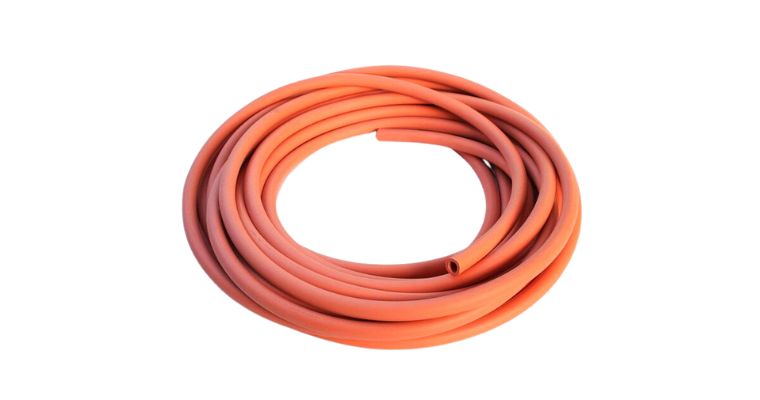
South African natural rubber tubes are well known for their high elasticity and the ability to change shape, without losing the original one, in a way that they are suitable for almost all kinds of vegetation. The good elasticity of the rubber tubes that make them mechanical features is undoubtedly the most relevant characteristic.
The biodegradable rubber hoses are normally used in the car industry in Port Elizabeth, South Africa, mainly for people in the automotive industry who are using these hoses to absorb shocks and control vibrations. Natural rubber-based industrial tubing is especially flexible and works well with machines.
Applications:
Key Benefits:
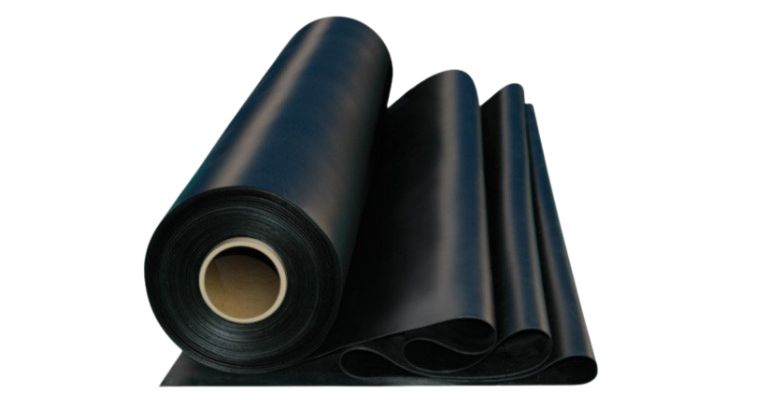
For outdoor use in South Africa, the EPDM rubber tube handles extreme weather. It's ozone-resistant. This helps in high UV areas - like open spaces where sun exposure is constant.
In Cape Town, HVAC tubes shield wiring from outdoor elements. Electric cables stay insulated thanks to the material's strong UV resistance, in particular along coasts with intense sunlight.
Applications:
Key Benefits:
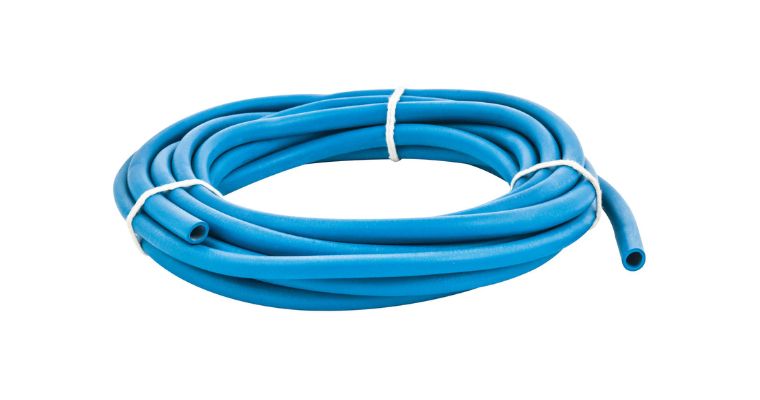
Neoprene rubber tubes, which are conveniently found in South Africa, provide a good blend of chemical resistance and flexibility.
Besides, there is also oil-resistant tubing, which can be offered to those industries and marine sectors that require it.
Applications:
Key Benefits:
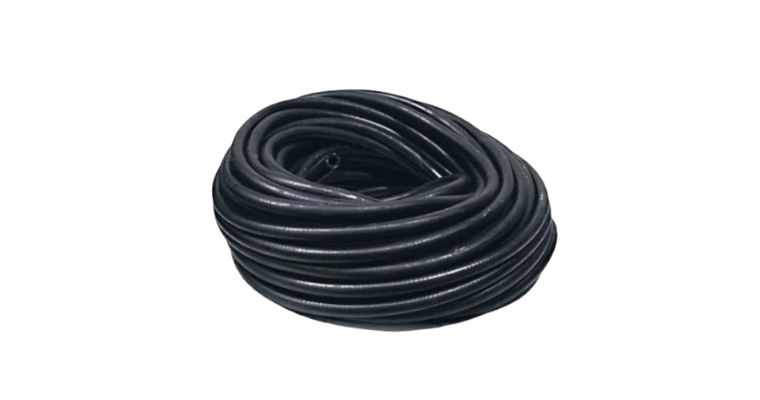
Nitrile rubber tubes are specially designed for oil and fuel-based products in South Africa. Fuel-resistant hoses are generally used when petroleum products are involved.
Petroleum product tubes are used for fuel transfer systems in different industrial plants located in Johannesburg. Rubber with abrasion resistance is used for durability.
Applications:
Key benefits:
In South Africa, silicone rubber cord is probably used for sealing and gasket work, mostly where heat resistance matters. Flexible versions show up in clean environments where hygiene is key - like kitchens or labs.
Cape Town sees food-grade cord in medical and food handling gear, often for sealing joints. This rubber is able to withstand high temperatures, thus ensuring that the equipment functions properly even under stress.
Applications:
Key Benefits:
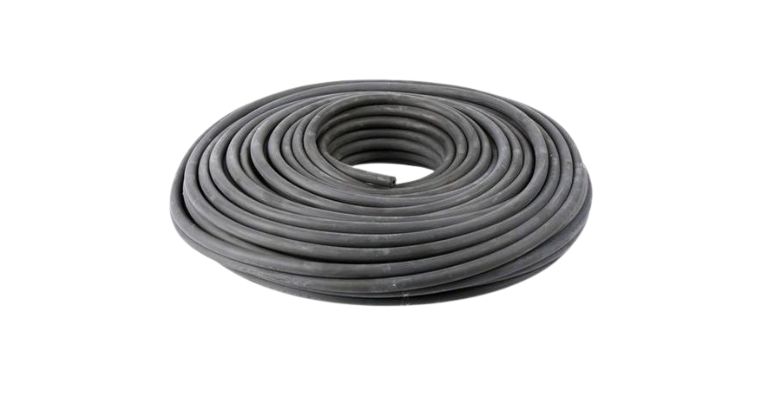
The natural rubber cord is the most well-known and most widely used product in South Africa, particularly in the area of elasticity requirements.The rubber cords that have an elastic property can rely on the assistance of the harbour vibration isolation system in carrying out their functions.
In the Port Elizabeth region, industrial rubber cord finds its usage in the conveyor setup. The rubber cord is able to help the system in the loading and unloading of shocks, thereby lowering the mechanical stress. Shock-absorbing rubber cord usage leads to the equipment having a longer life span.
Applications:
Key Benefits:
Neoprene rubber cord may be used in the South African environment, especially where there is chemical and weather exposure. Ozone-resistant rubber cords are extensively used in marine and industrial seal systems.
A marine rubber cord, it is used in the seal system, especially for a piece of equipment that is located in Durban. Ordinarily, the equipment gets wet with salt.
Applications:
Key Benefits:
Nitrile rubber cord should be your first choice if planning for fuel and oil-related application in South Africa.
Applications:
Key Benefits:
EPDM rubber cords meant for use in South Africa are meant for use in outdoor and construction-related sealing applications. The UV-resistant cords are effective for use during long-term exposure to the environment.
Flexible EPDM cords are being used for construction projects in Cape Town for sealing purposes. The outdoor use of the rubber cord guarantees long-term performance.
Applications:
Key Benefits:
South African suppliers of rubber tubing cater to the demand of heavy industries in Johannesburg, like mining, oil and gas, and food processing. These big industries in Johannesburg require rubber tubing that is capable of working with abrasive materials and oils/chemicals.
Thanks to their flexibility, these rubber tubes can be used for transferring slurry, water, and dust-laden air without breaking even when subjected to high stress. Materials for the food processing industry need to be non-toxic and easily cleanable, whereas the oil and gas industries are keen on finding durable ones.
Rubber tubing is available in South Africa from different distributors. This is the type of tubing that is usually installed at the Cape Town marine and building worksites that are exposed to wind, sun, and rain all the time. The products can withstand many years of outdoor stress and harsh weather conditions. Ideally, this would mean less maintenance cost.
Marine workers require tubes that can withstand the salt spray and wide variations in temperature. It tightens the joints and stops moisture from penetrating the walls or the foundations of the buildings.
Durban stands out because it's a major port with continuous ship traffic. There, rubber tubing must resist chemicals found in fuels and industrial waste. These products are engineered for harsh weather, too - The real test comes from chemical exposure.
Port terminals use the tubing for handling fuel tanks. Marine vessels depend on it during loading operations. Industrial sites also use it when processing acidic or corrosive substances - though performance under actual conditions can vary.
In South Africa, rubber tubing suppliers offer Pretoria precision tubing solutions to the pharmaceutical and electronic industries. These industries emphasize quality control, clean products, and reliability.
During pharmaceutical production, rubber tubing is a part of the fluid transfer system to keep the product clean and uncontaminated. The rubber tubing is applied in the production of electronic goods, besides providing insulation and permitting the free movement of air or fluid within the equipment.
Local rubber tubing suppliers in South Africa deliver to the Port Elizabeth automotive and manufacturing industries. Vehicle and machinery manufacturing in the area necessitates the use of tubing that can resist both mechanical stress and motion.
The automotive industry incorporates rubber tubing in shock absorbers and vehicle fuel systems, and also uses it in hydraulic systems. Flexible rubber tubing is used for the transfer of various fluids such as air, oil, and coolants in the manufacture of machinery, which is essential for the effective operation of the machines.
Throughout South Africa, rubber tubing has become very common and is used for many different purposes in industries that require flexibility, strength, and resistance to certain pressures or environmental conditions. The use of such tubes guarantees efficient service and industry facility operation.
Industrial Applications:
Cable Insulation Electrical cables, which are essential components for power distribution and telecommunication systems, have been installed throughout Johannesburg and Pretoria. Accordingly, in such systems, the use of a gadget cloaked with rubber tubing has become a must. It offers insulation from electrical leaks and also improves the safety level of the system.
Pipe Protection Construction operations in Cape Town are also being protected by the use of rubber tubing to shield the pipe in the same way. These tubes act as a great player in protecting the pipes from abrasion and external damage.
Fluid Power Systems' installation of liquid power-related industries in Durban has entirely depended on the use of rubber tubing. Besides being very flexible, such tubes are also quite capable of dealing with fluid transfer systems operating under pressure.
Rubber tubing is installed in mining and processing machinery to absorb shock and reduce vibration. In Port Elizabeth, machines that operate under heavy stress rely on this setup for stability. The system isn't optional - it's standard equipment where movement could otherwise damage parts.
Electrical boxes and construction gear in Cape Town and Durban use rubber tubing to block water entry. These joints don't just seal - they hold up against salt spray and daily exposure. Plus, the protection it offers keeps systems from shorting out or failing during storms.
Kitchens, processing plants, and engineering sites use rubber tubing to insulate hot surfaces. Equipment in ovens or chemical labs runs cooler because of the material's thermal resistance. This helps prevent overheating and reduces wear on internal components.
Fuel lines, coolant hoses, and other vessel systems depend on rubber tubing along South Africa's coast. It resists wind-driven waves, saltwater corrosion, and sun exposure. Vessels in these areas can operate safely without constant repairs due to the tubing's durability.
The rubber tubing system is used in food processing industries for the safe transfer of liquids and semi-liquids. The system helps in the hygienic processing of food products in breweries, dairy industries, and packaging units.
The rubber tubing system is used in the safe transfer of liquids and semi-liquids in the medical and pharmaceutical industries. The system is used for the safe handling of sensitive materials in the laboratory and production areas.
In South Africa, rubber tubing supplied by Namrata Rubber Product Pvt. Ltd is a combination of top-quality raw materials and first-class manufacturing processes, which guarantee the performance of these items in different industries. All items of rubber are manufactured by using the best raw materials that guarantee durability, strength, and flexibility by our company, Namrata Rubber Product Pvt. Ltd. Our rubber tubing works efficiently even under very harsh conditions in different applications such as fluid transfer, insulation, and protective coverings.
Rubber tubing manufacturers in South Africa use state-of-the-art molding and extrusion technology. Extreme accuracy in manufacturing is necessary so that each rubber product maintains its quality standard. A slight variation in products can sometimes change the industrial application performances. Every rubber product undergoes a strict inspection by a very experienced quality control team so that the products are strong, accurate, and reliable before delivery.
The South African market often demands large quantities of rubber tubing on short notice. The company can mass-produce rubber products without compromising the quality of the items. This eventually helps the company to meet delivery deadlines to different buyers. Fast dispatch to the buyers in Johannesburg, Cape Town, Durban, Pretoria, and Port Elizabeth is ensured by an effective logistics system.
The customization feature is also very important in the South African solution for rubber tubing, since the standard form may not always have the options available. There are numerous options to choose from that can be tailored to the needs of the application. This support also involves giving the client a prototype, which is very useful in testing a client's requirements before going into production, so as to avoid any kind of mismatch.
South African buyers who need a trustworthy solution for rubber tubing and support can take advantage of the direct service. You can seek a technical consultation in order to talk about the needs of the application and make sure that the right solution is chosen from the beginning.
The specifications of the rubber tubing in South Africa differ depending on the composition of the material used and the application of the rubber tubing. Using the right material ensures improved performance and durability of the rubber tubing and its compatibility with various industrial conditions.
Here is a quick reference guide to the commonly used rubber tubing materials:
| Material | Temperature Range | Chemical Resistance | Best Application |
| Silicone | -60°C to 230°C | High | Medical, food processing, high temperature systems |
| Nitrile | -30°C to 120°C | Oil & fuel resistant | Fuel lines, petroleum, and oil industries |
| EPDM | -20°C to 158°C | Weather & UV resistant | HVAC systems, construction applications |
| Neoprene | -40°C to 120°C | Oil & chemical resistant | Marine equipment, industrial use |
| Natural | -20°C to 80°C | Moderate resistance | Automotive parts, shock absorption |
The best rubber tubing for high-temperature use in South Africa is a specially designed and rated one, at least in theory. Only if the temperature stays below 230 °C can silicone rubber tubing maintain its flexibility and structural integrity. It's widely used in local applications because of its performance.
We make custom sizes to match local industry needs, including inner diameters, thickness, and length. This fits equipment with unique setups or unusual mounting points.
For food and medicine handling, silicone tubes are generally safe when made under proper standards. The material doesn't have an odor, isn't toxic, and won't support bacterial growth.
Food-grade silicone rubber tubing produced locally follows recognized safety rules. It remains stable under normal conditions without releasing harmful substances.
EPDM rubber tubing sourced from South Africa is suitable for outdoor use as it possesses good resistance to the harmful effects of UV rays, ozone, and different weather conditions. It is a good choice for outdoor use and can remain without cracking or getting its elasticity lost for several years under normal conditions.
Rubber tubing for oil and chemical handling coming from South Africa is generally made of nitrile or neoprene rubber. These types of rubber are resistant to swelling and degradation upon contact with petroleum-based products and other chemicals.
Rubber tubing originating from South Africa is generally sold to other African countries via organized export channels. Thanks to the proper management of the products during export, international customers can be confident about the safe and secure delivery of their products.
Natural rubber tubing from South Africa is very elastic and flexible. It is a good choice for use in applications where a lot of stretching is done, without the material tearing or cracking.
The rubber tubing made in South Africa is used for various purposes, such as the construction sector, automotive sector, food processing sector, pharmaceutical sector, marine sector, and manufacturing sector. This material is highly flexible and can be used for light-duty as well as heavy-duty applications.
In South Africa, rubber tubing is common in fluid systems needing controlled flow. Its flexibility and pressure resistance make it a go-to choice. The material handles heat, chemicals, and weather well. More or less, the right type of rubber improves reliability and cuts down on breakdowns.
Temperature, chemical makeup, and outdoor exposure shape how rubber tubing is selected. Choosing the correct kind probably leads to better results and fewer malfunctions. It tends to work best in stable conditions. Over twenty-five years of use in construction shows consistent performance under rain and humidity.
Sealing and waterproofing rely heavily on rubber tubing in South Africa. It forms a barrier against moisture reliably. Used often used in building projects and electrical installations. A small crack can still leak if the seal is not right; that's why quality matters more than ever.
Rubber tubing in different sizes and shapes sells easily across South Africa. If you need common types or custom builds, local businesses get better prices in bulk. That helps manage big operations without spending too much.
South African firms offer hands-on help choosing the right rubber. You pick the material based on where it'll be used - like hot oil lines or food processing zones. They cover everything from oil-proof to heat-tolerant to edible-grade options.
Custom rubber tubes are made exactly to your needs. You specify diameter, wall thickness, and what kind of material fits your job. Orders ship fast with delivery to Johannesburg, Cape Town, Durban, Pretoria, and Port Elizabeth.
No delays.
Full coverage across the country.
Get a Custom Quote Today to discuss your requirements and receive a solution aligned with your application needs.

Exercitation ullamco laboris nis aliquip sed conseqrure dolorn repreh deris ptate velit ecepteur duis.