Exercitation ullamco laboris nis aliquip sed conseqrure dolorn repreh deris ptate velit ecepteur duis.

Namrata Rubbers, like other rubber-bonding service providers, can be trusted to deliver high-quality rubber-to-metal bonding for all types of industrial applications, thanks to their experience in this field.
Bonding rubber with metals such as mild steel (MS) or stainless steel (SS) is necessary for providing stability and longevity to components made from these materials. Generally, stainless steel (SS) is used when the bond must withstand corrosion, and mild steel (MS) is used in most industrial applications.
Namrata's industrial rubber-bonded products are designed to work well under various working conditions. For example, bushes, mounts, or seals that are designed to bond two materials together need to function properly, and if they do not separate during their lifetime, they must be manufactured to have a high level of performance.
Metal-bonded rubber components are usually found in the automotive, building, machine, and manufacturing industries. The type of bond used will be determined by the specific application.
Thing is, you've got a few solid choices when tailoring parts to exact specs. Probably the best bet? Figuring out which metal treatment works best with your project. It seems like a fair call, mainly if you're sticking to one recognized standard.
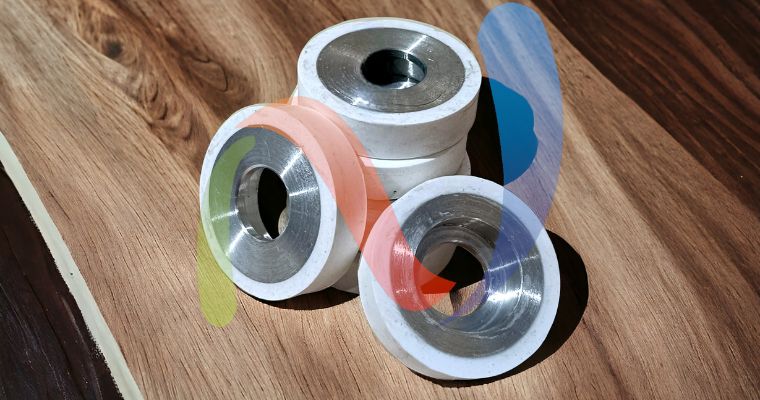
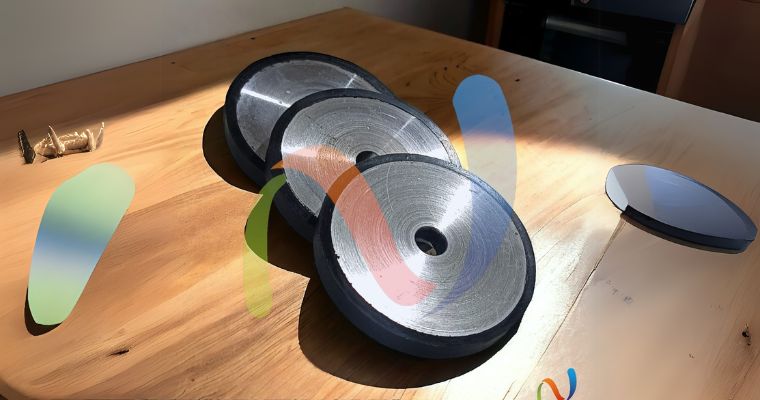
MS SS rubber bonding is the process by which rubber and either mild or stainless steel are joined together, creating a new functional element that utilizes the benefits of both materials. This process can be referred to as rubber-to-metal bonding; the goal of this procedure is to create an entity that combines the benefits of rubber and metal.
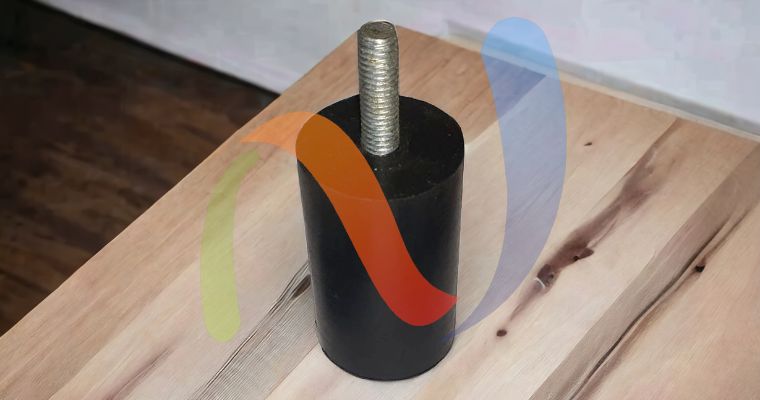
Applications of bonded rubber products generally occur in industrial types of installations requiring a load-bearing type of construction to hold a load while permitting some degree of movement within that component. Examples of bonded rubber and metal products would include, but are not limited to, bushings, mounts, and seals that are designed to be bonded in such a manner as to allow for continual use.
Rubber-bonded items generally provide a user with the ability to withstand certain amounts of applied stress without changing their shape. The support within rubber-bonded products is provided by the metal portion of that product, while the rubber portion serves to absorb the movement and applied stress resulting from its use.
Usually, the automotive industry and heavy machinery are the main sectors where industrial bonding solutions are used. It also suits those types of applications that need both strength and flexibility.
The products of bonding rubber and metal are made using controlled vulcanization, whereby elastomer materials and metals are combined to form strong rubber components with improved vibration-damping characteristics compared to those of press-fit materials.
The strong bonding of rubber and metals is achieved using high-strength bonding, whereby the materials are bonded using a combination of primer-metal interface chemistry and peroxide cure systems, resulting in materials with peel strengths of over 10 N/mm.
The main advantages of using the strong bonding of metals and rubber include the following:
Namrata Rubbers is a leading company in the manufacturing of MS SS bonding products made with a combination of silicone rubber bonding, neoprene bonding, and metal bonded with rubber, using our own molding techniques. We provide accurate bonding between natural and synthetic rubbers and mild steel or stainless steel, which is further tested using ASTM standard D429 peel strength criteria.
We are capable of manufacturing custom designs and applications in the automotive, marine, food, and industrial sectors, using in-house tools and 50-ton capacity machines. We also provide 100% salt spray testing as per ASTM B117 standards, with a testing period of 500 hours, and temperature testing between -40 to +250°C.
Description: Silicone rubber bonding to metals or surfaces creates flexible, heat-resistant parts. This process ensures strong adhesion without compromising elasticity. The materials stay stable under high temperatures - no shrinking or cracking occurs.
Applications:
Key Benefits:
In Johannesburg, South Africa, food processing operations rely on food-grade, bonded stainless steel rollers, ensuring a bacteria-free environment with daily clean-in-place cycles.
Description: Bonding neoprene to metal creates parts that last in oil, weather, and heat. The rubber sticks well and holds up under stress. With metal, neoprene forms strong joints. These connections resist wear from the elements.
Applications:
Key Benefits:
In South Africa, Durban shipyards specify neoprene-bonded bearings on the propeller shafts of fishing trawlers, enabling them to operate in saltwater environments.
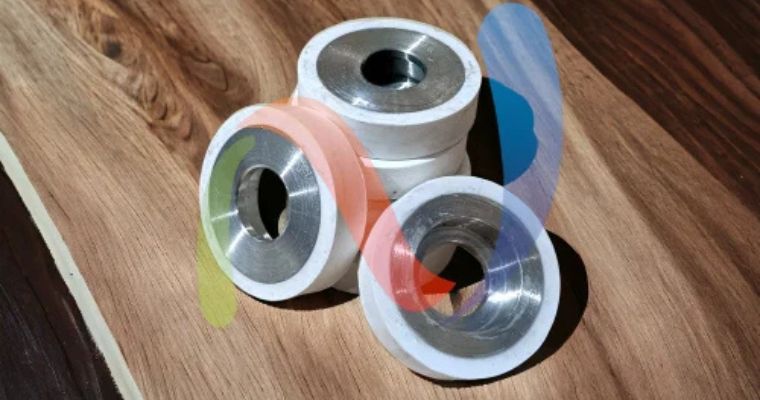
Description: Rubber molding creates durable parts for vibro feeders. These components absorb shock, let motion happen smoothly, and boost how well materials move through systems. Plus, it seems the design reduces wear on moving parts greatly.
Applications:
Material outlets for bulk material hoppers are designed for the prevention of material bridging.
Pharmaceutical powder test facilities.
Aggregate mining classification screens.
Key Benefits:
Pretoria cement plants in South Africa use the vibro feeder molding for the uninterrupted flow of limestone even during peak production hours.
Description: A silicone black rubber bush is a kind of flexible machine part made of silicone rubber. It is primarily employed for purposes such as cushioning, heat absorption, and support of other parts.
Applications:
Key Benefits:
In the application of the product in South Africa, the Port Elizabeth assembly plants use the product for vehicle suspension prototypes for the purpose of hot climate tests.
Description: Silicone parts made of metal-bonded materials are flexible, heat-resistant, and strong. They are used for sealing, insulation, and vibration control.
Applications:
Key Benefits:
In South Africa, the electrical substations in Cape Town use the SS components that are bonded with silicone for corrosion resistance in the coastal regions.
Description: Metal bonding with silicone rubber is the process of permanently sticking silicone to metals. This is done to get a product that has both flexibility and strength, which can be used even in very harsh environments like high-temperature conditions.
Applications:
Key Benefits:
In South Africa, the electronics manufacturers in Johannesburg use silicone metal bonding for the vibration-sensitive printed circuit board mounts.
The applications of rubber-metal bonding involve the creation of composite materials that have the properties of rubber as well as the strength of metals. These materials have the capacity to isolate, seal, or distribute loads in adverse working environments.
The rubber-bonded bushings for control arms and subframes, made possible through MS/SS, isolate engine and transmission vibrations. As a result, the NVHs of the vehicle are reduced through the suspension system, which adheres to the ISO 16750 standard.
Engines of vessels operating in coastal environments have rubber pads made of stainless steel-bonded materials. These materials support the propulsion systems of the vessels, which have the capacity to withstand corrosion from saltwater. Moreover, the rubber pads have the capacity to absorb the vibrations of the propeller shafts.
The compressors and pumps of factories have rubber steel-bonded mounts that isolate the machinery from the floors. As a result, the machinery is always aligned due to the capacity of the rubber steel-bonded mounts to isolate the compressors and pumps from the floors.
The rubber diaphragms, which have been bonded together, have the capacity to separate fluids in the pump heads. As a result, the rubber steel-bonded materials have the capacity to meet the pharmaceutical hygienic standards.
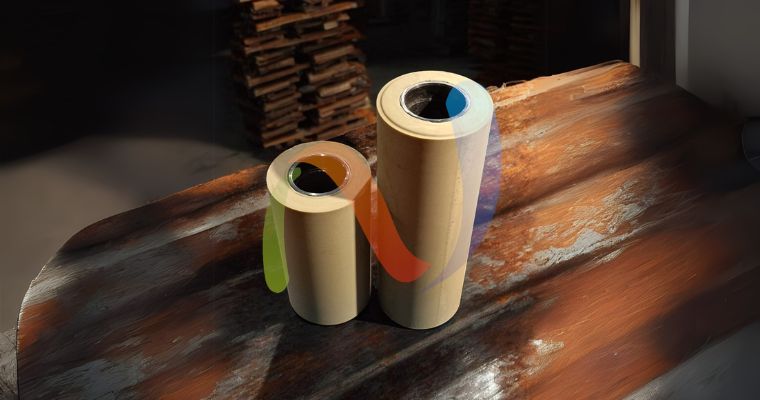
The rubber steel-bonded roller has the capacity to maintain the surface characteristics, which have the capacity to meet the FDA standards. Moreover, the roller has the capacity to improve the traction of the conveyor belt.
The rubber steel-bonded materials have the capacity to isolate the equipment from the floor. As a result, the microelectronics assembly process is safeguarded from displacements that measure less than one micrometer.
Namrata Rubber Products has built strong experience bonding silicone rubber and NBR to mild and stainless steel with compression moulding. The primer used stays stable under regular use. Since 2012, the company has offered this service, designing different tool setups to match industry needs. The process works for any component size, from small parts to large industrial pieces. Hardness can be adjusted to make the material flexible. Custom designs are ready in one to two weeks. This helps build suspension mountings and marine isolators.
For now, the bonding method supports different applications. Tools are tailored to specific industries over time. Sample components can be produced quickly without major delays. The process remains reliable across varied usage conditions. Plus, it is suitable for both prototypes and final products. No special handling is required after bonding. Material performance stays consistent through normal operation.
The quality control tests include 100 percent pull tests, cross-section tests, and salt spray tests (1,000 hours per ASTM B117).
The company has a proven track record in the automotive subframes, marine propulsion mounts, and pharmaceutical pump diaphragms, ensuring the stable supply chain that supports the production levels of 10,000 components per month with a lead time of 2 to 4 weeks.
Some manufacturers offering the precision-engineered products for the metal bonding of the components, with a proven track record of durability.
What is rubber-to-metal bonding?
Rubber-to-metal bonding chemically joins elastomer compounds to steel substrates using primer systems and vulcanization, creating hybrid components that combine rubber flexibility with metal rigidity for vibration isolation and sealing.
What materials are used for rubber bonding with steel?
NR, NBR, EPDM, silicone, and neoprene bond to mild steel (MS) or stainless steel (SS304/316) using silane primers, achieving permanent adhesion through heat-activated crosslinking during compression molding cycles.
Why is silicone used in rubber-metal bonding?
Silicone provides high-temperature stability and food/pharma-grade compliance, maintaining bond integrity under thermal cycling and steam sterilization while offering dielectric insulation for electrical components.
What industries use rubber-bonded components?
Automotive (suspension bushings), marine (engine mounts), industrial machinery (pump isolators), pharmaceutical (diaphragm valves), food processing (conveyor rollers), and electronics (precision dampers).
Can rubber-bonded parts be customized?
The level of hardness can be adjusted to match the product's specific application, from 10 mm to 500 mm in diameter. And it seems the fit will be exact after CAD prototypes are built. Hard to ignore how quickly tooling can be ready, under two weeks, often.
What surface preparation is required for steel?
Steel undergoes phosphate etching or grit blasting before primer application to ensure mechanical and chemical bonding.
How long do bonded rubber components last?
10-15 years under rated loads, verified through compression set testing and accelerated aging per ISO 2440 standards.
Are bonded parts resistant to oil and chemicals?
Nitrile provides excellent petroleum resistance, while EPDM excels against weathering; material selection matches specific fluid exposures.
What is the production capacity for custom orders?
10,000 units monthly with 2-4 week lead times from approved tooling for automotive and marine OEM volumes.
Do you provide export documentation?
Complete FOB packaging with COO, fumigation certificates, and Incoterms compliance for African shipments.

Exercitation ullamco laboris nis aliquip sed conseqrure dolorn repreh deris ptate velit ecepteur duis.