Exercitation ullamco laboris nis aliquip sed conseqrure dolorn repreh deris ptate velit ecepteur duis.

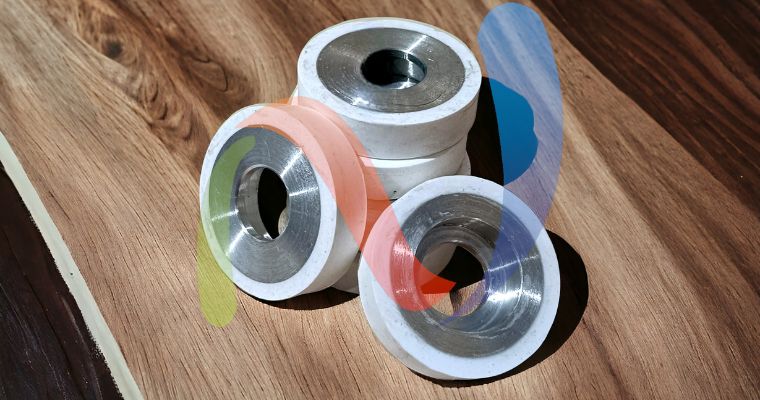
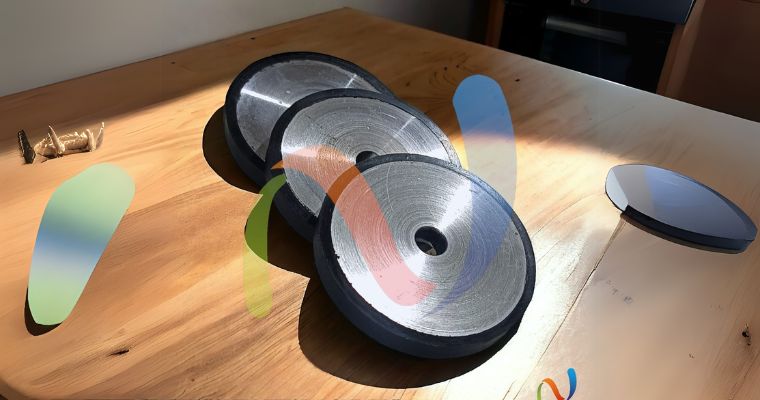
In the extreme operating temperatures of Saudi Arabia, a standard mechanical joint poses a significant risk; the requirement is a permanent chemical bond between iron and rubber. As specialized MS/SS rubber bonding manufacturers in Saudi Arabia, by utilizing high-grade rubber to metal bonding technology, we create a high-strength molecular bond between raw elastomers and metal substrates. Whether you are dealing with stainless steel rubber bonding in corrosive salt-air zones or heavy-load mild steel (MS) projects, our bonding is structurally reliable before bond failure occurs
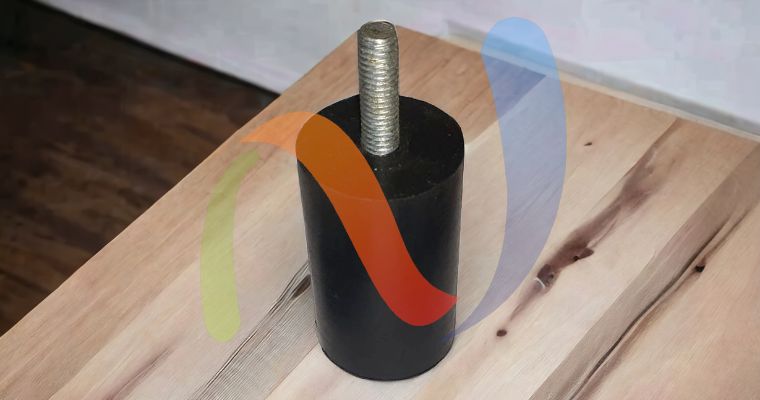
Namrata’s rubber bonded components are the core support component behind the Kingdom's key industrial sectors. We deliver MS/SS rubber bonding for support structures in Riyadh’s infrastructure projects and provide high-tenacity SS rubber bonding for shock absorption at Jeddah’s ports. Across the refineries of Jubail and Dammam, site engineers trust us to use MS rubber bonding for vibration control and critical rubber metal bonding for noise reduction. As leading rubber metal bonding suppliers in Saudi Arabia, we have different kinds of products in this range like we offer rubber metal bonded mounts and also heavy-duty rubber bonded bush with MS/SS and other related components. From rubber bonded components for joints to rubber bonding for flexible metal connections, we ensure your hardware performs reliably under regional mechanical stress.
Consider MS SS rubber bonding in Saudi Arabia as more than just a coating; it is a high-pressure manufacturing science where raw rubber is chemically melted into metal surfaces like mild steel (MS) or stainless steel (SS). This is not your standard adhesive layer. It is a sophisticated rubber to metal bonding process that builds a single, unified part. By mastering this metal rubber bonding technology, we produce rubber bonded metal parts that deliver far superior vibration isolation, shock absorption, and structural strength than any bolted joint could offer.
For Saudi Arabia's heavy industrial zones, these industrial bonding solutions are essential to prevent frequent shutdowns. Whether it is heavy duty rubber bonding for extreme use in Aramco-grade oil plants or durable rubber metal bonding for industrial use in massive city-builds, our bonded rubber components are the primary protection mechanism against mechanical fatigue. We specialize in corrosion resistant SS rubber bonding for marine hardware and oil resistant rubber metal bonding for complex refinery pumps. From precision rubber metal bonding for automotive lines to rubber bonding for high load applications in construction, Namrata Rubber guarantees your metal rubber bonded components provide better sealing performance in the demanding desert environments.
When you invest in high-quality rubber metal bonded products, you aren't just buying a part; you are securing the operational life of your machinery. In Saudi Arabia’s severe 50°C+ desert heat, a standard glued joint will experience early failure. Our specialized high strength rubber bonding creates a molecular-level bond that withstands both mechanical torque and thermal expansion. One of the primary advantages of rubber to metal bonding is this high bond integrity, ensuring the elastomer stays securely bonded to the metal substrate even under the most extreme load.
The benefits of these durable bonded rubber products for any industries in are:
When you choose Namrata’s rubber metal bonded products, you are essentially investing in a low-maintenance solution. Whether you are running offshore oil rigs or heavy-duty construction cranes, our specific bonding technology makes sure your hardware handles the desert’s grit and extreme heat consistent performance
In Saudi’s rough industrial climate, a generic seal is basically a high risk of failure. At Namrata Rubber, we don’t just supply parts; we build MS SS rubber bonding products meant to survive high mechanical loads. Our inventory is a robust lineup of metal bonded rubber components for plants where downtime is critical. From heavy bonded rubber bushings handling construction torque loads to high-speed vibration control rubber parts, we cover a wide range of industrial requirements
We build custom vibration isolators and feeder components specifically for Saudi Arabian OEM firms. These rubber molded metal parts are fused to MS or SS substrates using a specialized bonding tech so the elastomer resists delamination, even under extreme long-term stress. Whether it’s a custom molded rubber-metal part or a standard mount, our focus remains on reliable performance.
When machines run in extreme conditions of heat, standard rubber just turns brittle and breaks. That’s where silicone rubber bonding becomes the most suitable solution. We’ve refined the process of fusing high-grade silicone to metal to create heat resistant bonded rubber that ensures long-term durability. Across Saudi’s industrial hubs, we're seeing a high spike in demand for high temperature rubber bonding that can take both the desert sun and intense internal processing heat without losing its bond stability
Where it's used:
The Features:
If your hardware deals with three key factors-oil, weather, and chemicals-then neoprene rubber bonding is your best option. Unlike standard elastomers that swell or degrade when they touch petroleum, our oil resistant rubber bonding stays firm. We produce industrial neoprene seals chemically fused to MS/SS plates to create a barrier that’s highly durable in the Dammam oil fields.
Common Field Uses:
The Facts (Benefits):
Running a bulk handling plant without proper vibro feeder rubber molding increases the risk of mechanical failure. If those dampeners aren't high-quality, the high-frequency shaking will eventually snap your machine’s welds. At Namrata Rubber, we don’t just "make" parts; we build vibration control rubber components that actually absorb mechanical stress. Our rubber molded feeder parts keep your materials moving without causing structural vibration issues
Industrial Uses:
Features & Benefits:
Think of a silicone black rubber bush as the primary protection against "Metal-on-Metal" fatigue. These aren't just simple spacers-they are high-performance vibration absorbing rubber bush units built to handle non-stop compression. Whether you’re in a Riyadh automotive center or a Dammam pump station, you need shock absorbing rubber components that won't degrade under the severe Saudi sun.
Industrial Uses:
Features & Benefits:
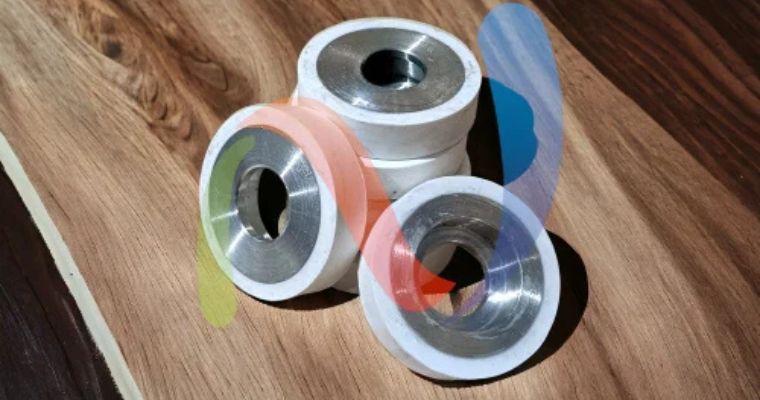
Standard gaskets usually fail because they lack support. Our silicone metal bonded components address this issue by fusing the silicone directly onto a steel core. You get the sealing of a soft elastomer with the structural strength of a metal plate. These metal bonded rubber parts are built to seal high-pressure lines without the rubber ever slipping or delaminating from the substrate.
Industrial Uses:
Features & Benefits:
For high-end engineering, silicone rubber metal bonding is the only way to make sure a component doesn't delaminate under pressure. We aren't just bonding things; we provide industrial rubber bonding solutions that turn two materials into a single, unified fuse. If you're building a refinery pump or a medical lab setup, our high strength bonded rubber parts ensure the silicone remains stable, no matter the chemical stress.
Industrial Uses:
Features & Benefits:
In the demanding industrial ecosystems of Saudi Arabia, the difference between operational success and a multi-million dollar shutdown often lies in a single, silent component. At Namrata Rubber, we don't just "supply" parts—we engineer them. We have spent decades perfecting the art of rubber-to-metal fusion because we understand that in an environment defined by 50°C+ thermal shifts, high-pressure subsea operations, and aggressive chemical exposure, standard mechanical seals are a significant risk.Our mission is to provide what we call the molecular-level bond-a bond so structurally sound that the elastomer and the metal substrate become a singular, inseparable unit.
The high-stakes nature of the Kingdom’s infrastructure, from the massive turbines in the Eastern Province to the high-speed logistics fleets traversing the Sarawat Mountains, requires a bonding philosophy that rejects surface-level adhesion.
Most "off-the-shelf" bonded parts fail because the adhesive layer is treated as a secondary thought. At Namrata, our process is built on high-pressure heat-vulcanization. We don't just glue rubber to a plate; we prepare the MS (Mild Steel) or SS (Stainless Steel) surfaces through rigorous grit-blasting and chemical priming before bonding the rubber onto the metal at a molecular level. In our internal peel test the rubber itself will typically tear before the bond line shows signs of failure. That is the Namrata standard: the bond must outlast the material.
Saudi Arabia is not a uniform environment; it is a collection of distinct mechanical challenges. Namrata Rubber has strategically mapped these "Industrial Hotspots" to ensure our products are over-engineered for local conditions.
1. The Eastern Province: Dominating the Energy Heartlands
Centering on Dammam, Jubail, and Ras Tanura, this region is the major hub of oil, gas, and petrochemicals. Here, the primary challenge is Hydrocarbon Saturation. Standard rubber components swell, soften, and eventually detach when immersed in crude oil or refined chemicals.
Namrata provides specialized Nitrile (NBR) and Viton (FKM) bonded mounts designed specifically for refinery pumps and subsea valves. Whether it’s a high-pressure seal or a vibration isolator for a petrochemical agitator, we ensure minimal failure risk performance under the most aggressive chemical stresses.
2. The Central Region: Precision for Manufacturing and Pharma
The pharmaceutical and food processing sectors like those industrial hubs of Riyadh and Al-Kharj, require components that are not only durable but also chemically inert and non-toxic. So Namrata addresses this with Food-Grade Silicone Bonding. These medical-grade parts meet the rigorous sterilization and safety standards required by the Saudi Food and Drug Authority (SFDA) Whether you need them for vibratory feeder for a pill-pressing machine or a specialized seal for a dairy processing line, our silicone-bonded components are temperature-stable, BPA-free solution and resists bacterial growth.
3. The Western Region & NEOM: Battling the Red Sea’s Salinity
As the NEOM giga-project and the ports of Jeddah and Yanbu expand, the demand for marine-grade hardware has skyrocketed. The salt-heavy, humid air of the Tihama plain is unsuitable for standard mild steel components.
To counter this, Namrata offers Corrosion-Resistant Stainless Steel (SS) Bonding. By fusing high-grade elastomers stainless steel, we make a hermetic seal. This "Molecular Shield" prevents moisture from ever finding a microscopic gap between the rubber and the metal, effectively neutralizing crevice corrosion before it can begin. For offshore platforms and desalination intake valves provides long-term reliability
4. The Southern Highlands & Northern Frontier: Absorbing "G-Shock"
In the mining sites of Ma'aden and the rugged terrains of the South, machinery faces high-frequency vibrations and massive impact loads. Our "G-Shock" resistant vibration dampeners and vibro-feeder moldings are built for the heavy-duty ore crushers used in these regions. These parts act as the primary defense against metal fatigue, protecting the expensive structural frames of mining equipment from the constant, severe mechanical stress of rock-crushing operations in the Sarawat range.
We believe that transparency in manufacturing is what builds trust with procurement officers and site engineers. Our process involves four critical stages that generic exporters often skip:
Selection is a technical necessity. We assist our partners in navigating the trade-offs between cost, temperature, and chemical resistance.
| Polymer Type | Primary Advantage | Saudi Application |
| Nitrile (NBR) | Superior Oil/Fuel Resistance | Refinery pumps, O&G fuel lines, Petrochem seals. |
| Silicone (VMQ) | Extreme Temp (250°C) & FDA Grade | Pharma labs, HVAC, SFDA-compliant food lines. |
| Neoprene (CR) | Weathering & UV Stability | Marine seals, Jeddah Port hardware, Outdoor construction. |
| EPDM | Acid/Alkali & Weather Resistance | Chemical processing plants, Desalination pre-treatment. |
| Natural Rubber | Highest Mechanical Tear Strength | Mining crushers, Heavy-duty engine mounts, Ma'aden sites. |
Finding a "vendor" is a transaction; finding a Technical Partner is a strategic move. Namrata Rubber stands out because we own the technical "DNA" of our products.
How does Namrata ensure the bond doesn't fail in the extreme desert heat?
Heat is the ultimate test. We use heat-stabilized bonding agents and elastomers like Silicone or EPDM that are specifically designed to maintain their chemical bonds even when surface temperatures exceed 70°C in direct sunlight. Our parts are tested to ensure they won’t lose bond integrity under peak summer loads.
Why is Stainless Steel (SS) preferred over Mild Steel (MS) for certain projects?
In high-salinity areas like Jeddah or Yanbu, MS can develop "sub-surface oxidation." This is a hidden rust that grows under the rubber, eventually pushing it off. By using SS, we eliminate this risk, making the part essentially permanent in marine environments.

Exercitation ullamco laboris nis aliquip sed conseqrure dolorn repreh deris ptate velit ecepteur duis.